top_banner_ttnormspro0426
Type foundry Blog

Blog About Fonts

All articles

Font customization
Font customization Work with fonts

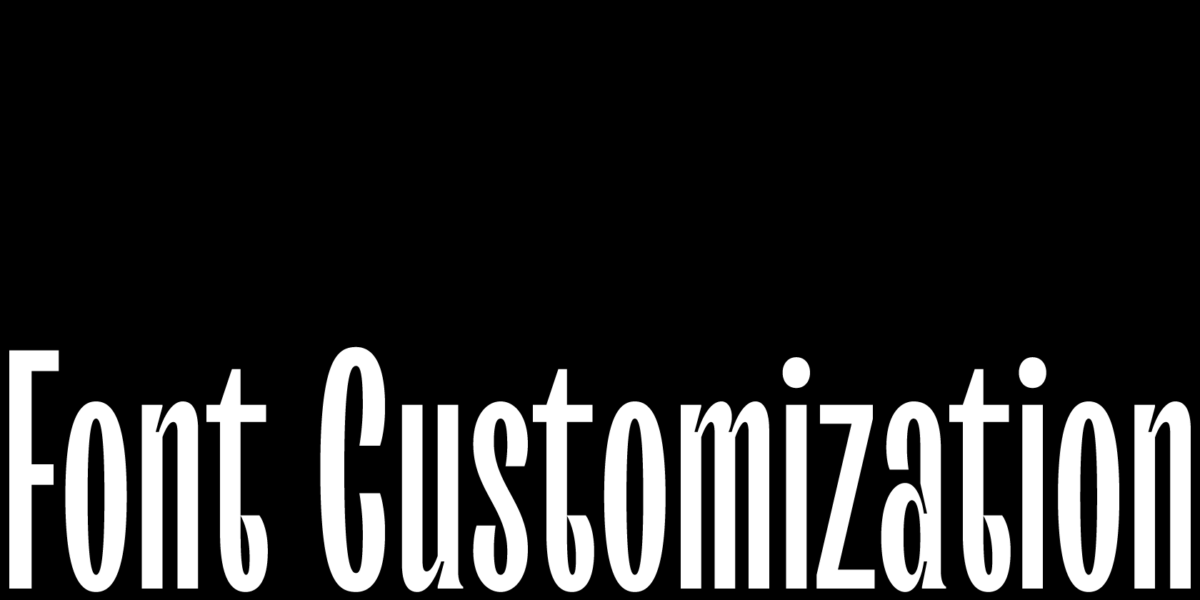
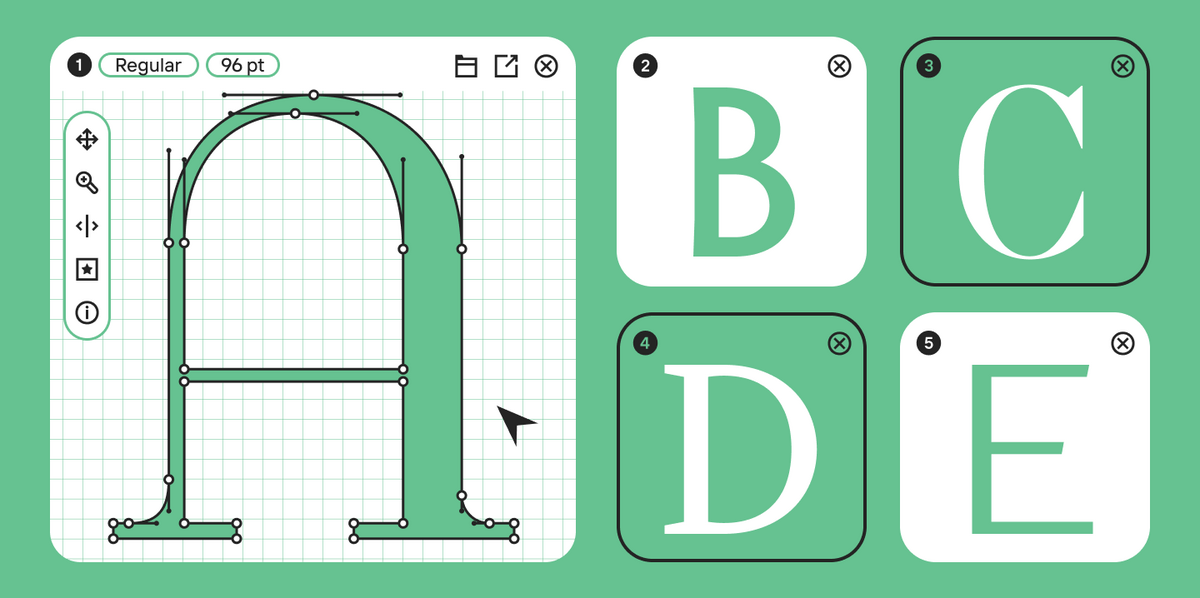
It often happens that existing fonts do not correspond to the needs of a certain project. But font is not a static instrument that functions only the way it was created. To convey the company’s individual style, the font can and should be adapted and customized to one’s needs that may range from simple changes like diminishing the character composition to complex design changes in all glyphs.

TypeType’s Year in Review: Looking Back at 2025
TypeType news

2025 was an incredibly productive year for TypeType: we released 7 new fonts, updated 14 typefaces, and added Arabic language support to two of our bestsellers. In addition, we won awards in type design competitions, explored new platforms, improved our website, wrote about type design in our blog, gave lectures, met with you at webinars, and created joint projects with friends and partners.

TT Norms® Pro: a 8-year history of the font family
Font creation TypeType fonts

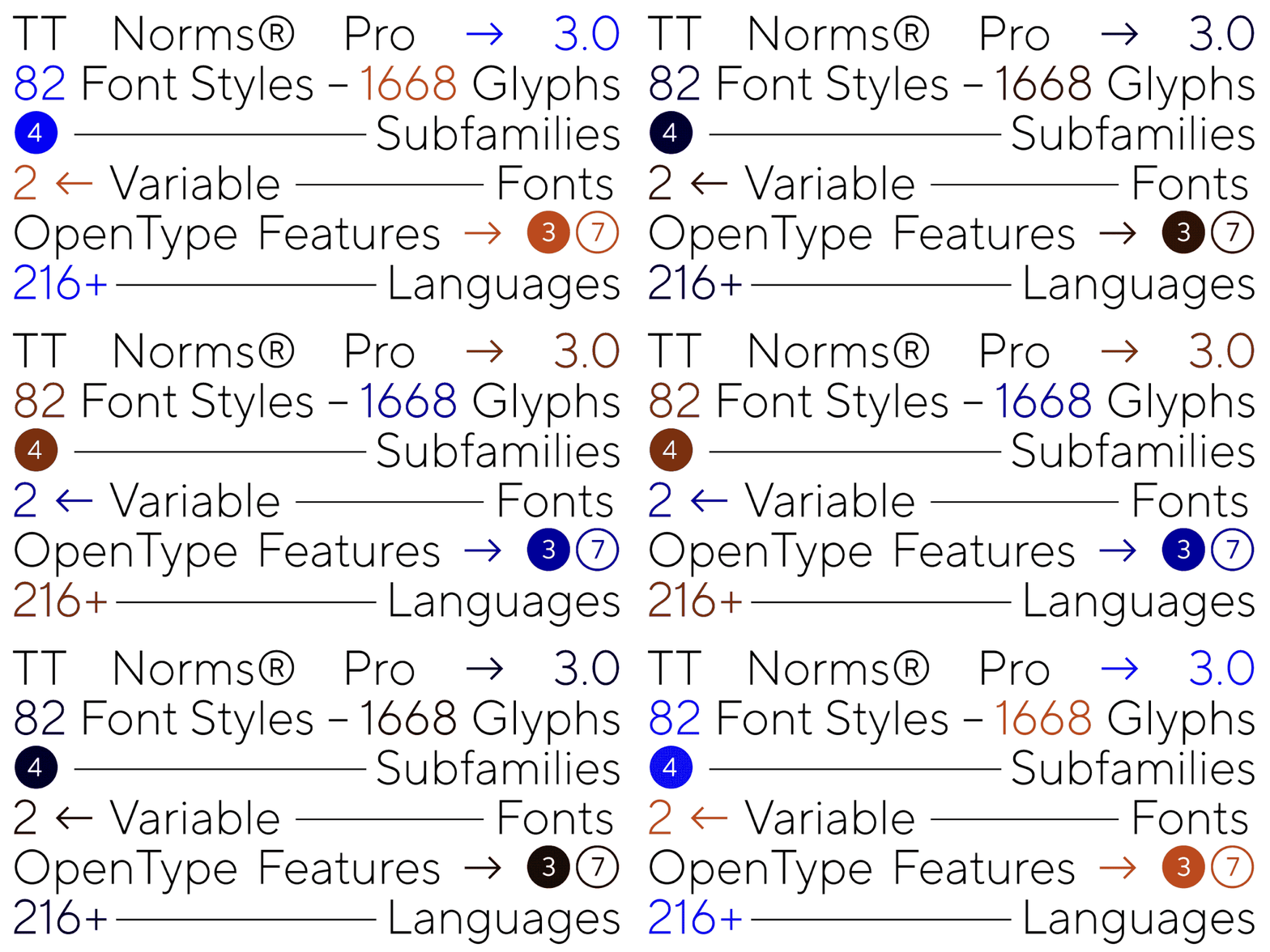
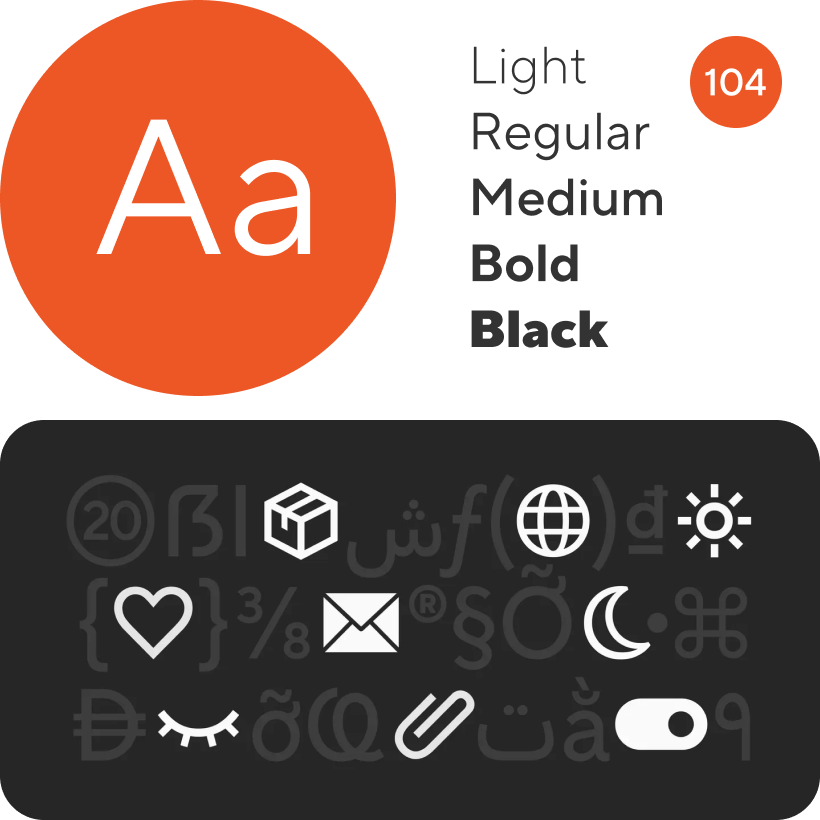
TT Norms Pro is one of the most sought-after typefaces in the TypeType collection. More than three reissues in 8 years, first lines in MyFonts ratings, dozens of customizations and reviews.
It’s hard to put into words what a valuable experience this font has been for everyone at the foundry, but we will try to tell its full story, with all its dead ends and mistakes, with the first victories and a massive redrawing process.

OpenType Font Features: How to Use Them in Design
Work with fonts

Fonts feature numerous hidden capabilities. However, many designers either don’t know they exist or don’t understand how to use them. In this article, we will explore the topic of OpenType features: what they are, what they can do, and how to use them.

Font Research: An Expert Approach to Brand Typography
Work with fonts

Among TypeType Studio’s services, we offer typeface system research. Why do brands need such research, and how does it help them develop? How is it conducted? What does the research include, and how are the results interpreted? We answer these questions and show how it works in practice using the financial segment as an example.

4 Quick Ways to Identify Fonts Used on Websites
Work with fonts

Enthusiastic designers are constantly on the lookout for new fonts. Not only while they are working. You can notice new fonts to add to your collection while scrolling social media, browsing brands’ websites, and even playing your favorite video games. All that is left is a technical aspect: to identify a font family used in the project and purchase a license for it. There are many ways of identifying fonts. In this article, we will cover the easiest ones.

IP Protection as an Art: TypeType’s Flexible Licensing Control Strategy
Work with fonts

Drawing on their own experience, the specialists at TypeType explain how type foundries and designers can stop unlicensed use of their products and get additional revenue while avoiding reputational risk. In TypeType’s professional experience the popularity of a typeface is linked to the fact that it will be more likely used without an appropriate license—despite the fact that developing a single family can take years of meticulous work. We covered how font licensing works in detail here.

Calibri Font: From Default Standard to Typographic Icon
Work with fonts

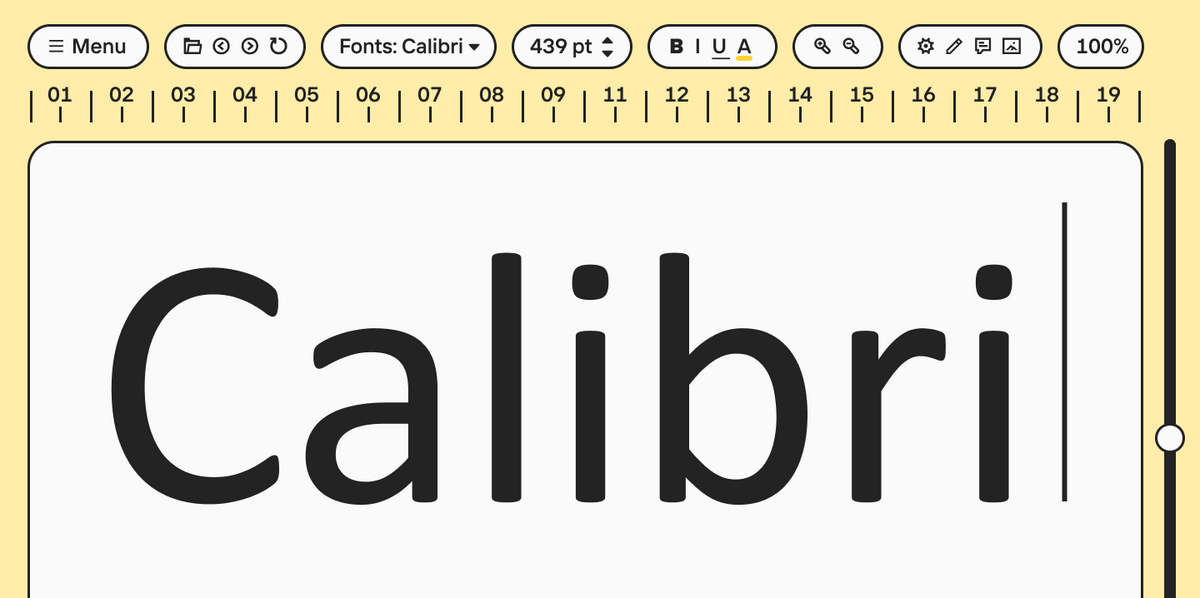
Learn what Calibri font is, its history, key characteristics, and different styles. Explore the closest alternatives, best font pairings, and how Calibri compares to Arial, Times New Roman, Helvetica, and other popular typefaces. Discover its use in print, digital documents, resumes, and Microsoft Office.

What is a Font Family? Definition, Types, and Examples
Work with fonts

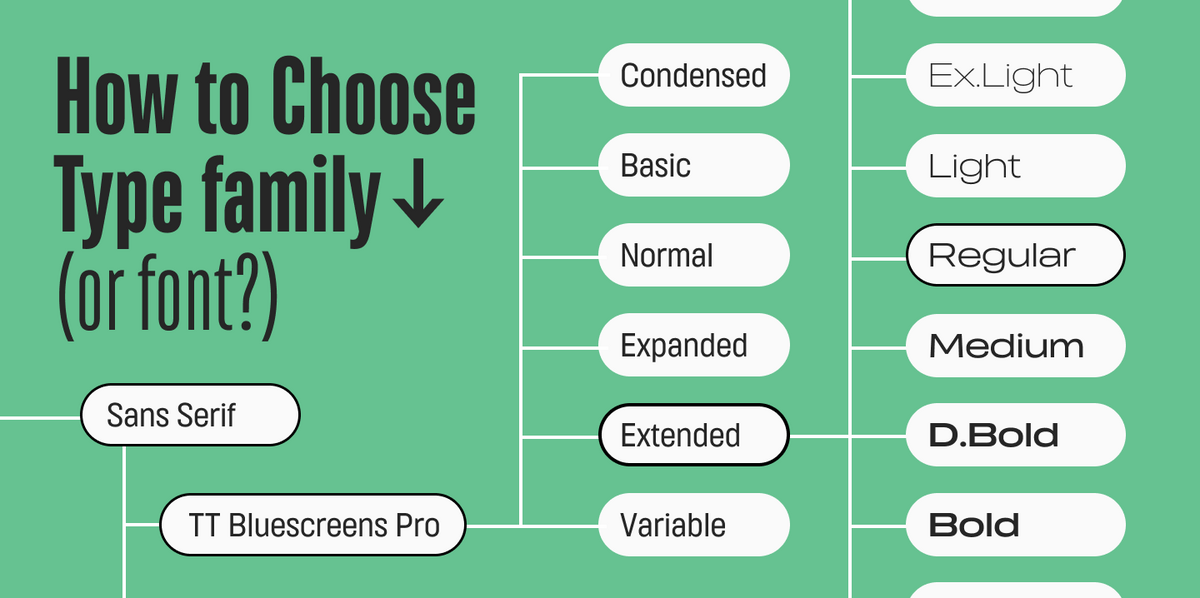
In this article, we will break down the font family definition, explore what types of font families exist, explain how a family differs from a font and a typeface, detail what is included in a font family, and guide you on how to make the best choice for a website, UI interface, and brand.

Typography in Figma: Variables, Tokens and Design Systems
Work with fonts

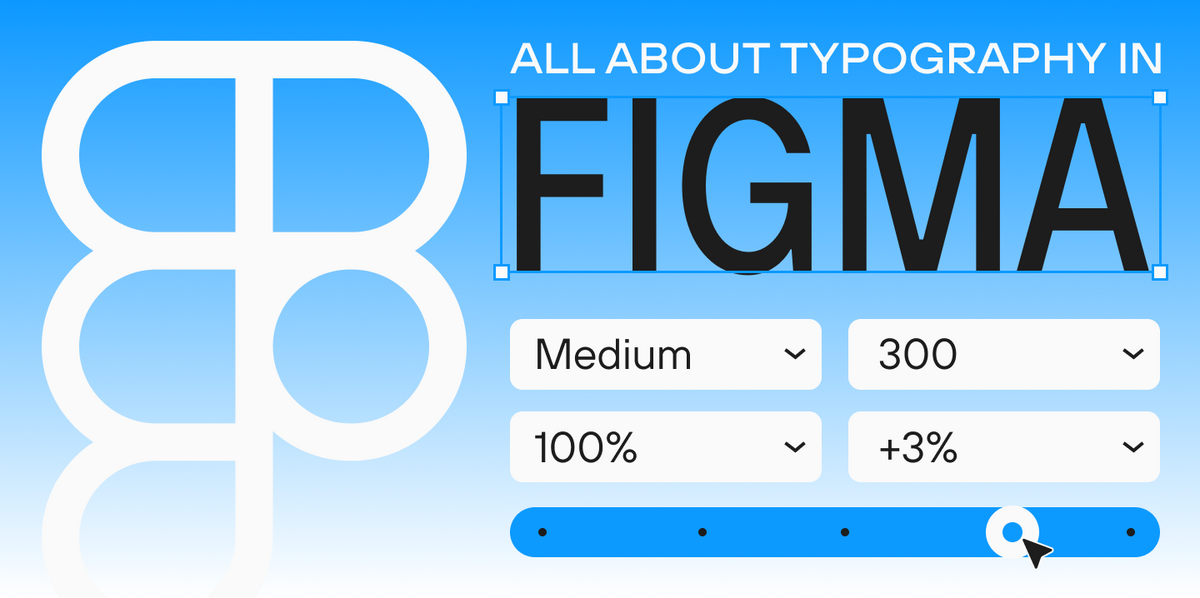
The larger the project, the more noticeable the price of chaos. On a simple landing page, you can manually fix a couple of headings. In an app with hundreds of screens, multiple platforms, different modes (like light/dark themes), and localizations, this approach quickly breaks down. One designer changes the size of a caption, another creates a local style, a third manually tweaks the line height—and within a month, the team no longer understands which values are actually systemic. A systematic approach to typography in Figma is crucial: it helps not only to craft an amazing layout but also to make the design solid and sustainable in real production. In this article, we explore the capabilities of working with typography in Figma, break down the core concepts, and provide practical examples.