Why Designers Trust Proven, High-Demand Typefaces
Designers and product teams often choose a bestseller font because it has already proved its value in real workflows. Experimental typefaces can be useful for niche visual ideas, but high-demand fonts offer predictability: they behave well in production, work across design tools such as Figma and Adobe software, and are easier to integrate into websites, apps, presentations, and brand systems. For clients, a proven typeface also feels like a safer investment because its quality, readability, and versatility have been tested by many teams before. Demand is not only a popularity signal. In professional typography, it often shows that a font can solve repeated design problems without creating technical or visual friction.
What Sets a Consistently Best Selling Font Apart
The best selling fonts are rarely popular by chance. Long-term demand usually comes from a strong mix of visual quality, technical reliability, and licensing clarity. A professional family should offer enough weights and styles to build hierarchy across headlines, body text, UI labels, captions, and display elements. Language support is just as important, especially for international brands that need Latin, Cyrillic, and sometimes broader writing systems. High-quality hinting and screen rendering help the typeface remain readable in digital products, while a variable version can make typography more flexible for responsive design and advanced interfaces. Clear licensing also matters: teams need to understand how the font can be used across desktop, web, app, and other commercial environments. A true bestseller is not simply beautiful; it works smoothly inside real design and production processes.
How to Choose the Right Typeface for Your Project
To answer the question "what are the best selling fonts for my project?", start with the project goal. Branding may need a recognizable voice and a broad family for identity systems. Interfaces require readability, stable spacing, and strong performance on screens. Editorial layouts need comfortable long-form reading, while web projects often depend on technical formats, loading behavior, and licensing terms. Next, check language support, the number of weights, OpenType features, and whether the family includes variable styles. Finally, test the typeface in real mockups before buying: headlines, buttons, body text, navigation, and marketing layouts can reveal issues that a specimen page will not show. Popularity is a useful starting point, but the final choice should match your content, audience, brand tone, and technical requirements.
TypeType Bestsellers: Our Most Sought-After Type Families
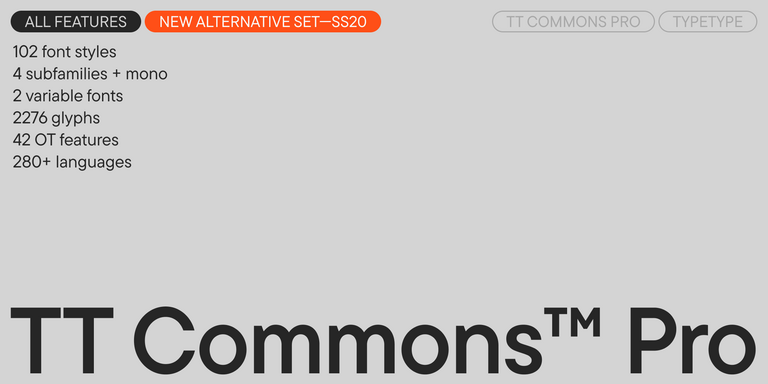
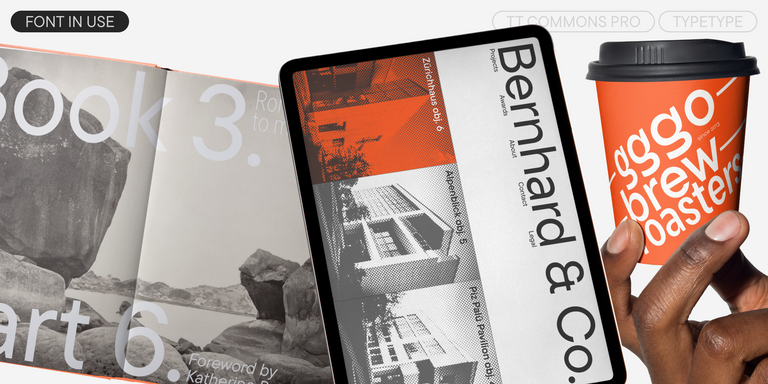
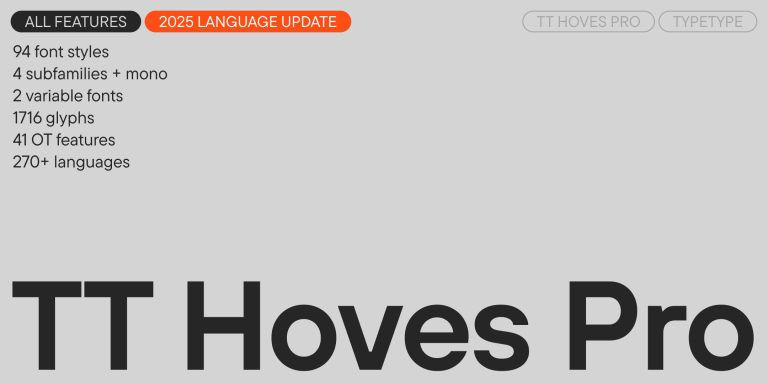
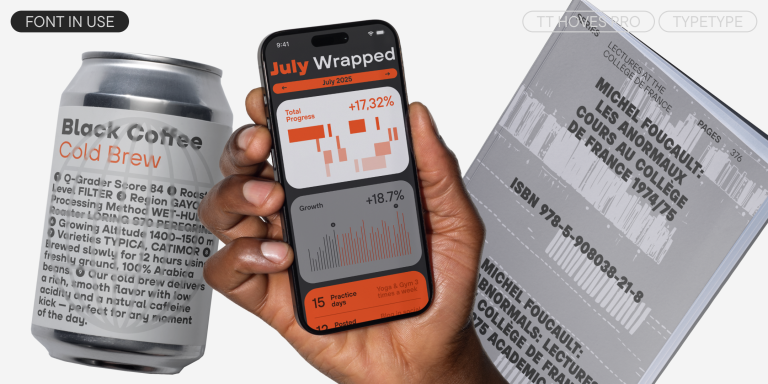
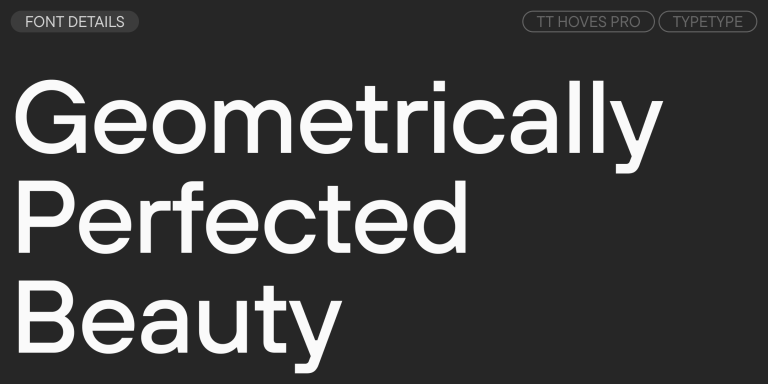
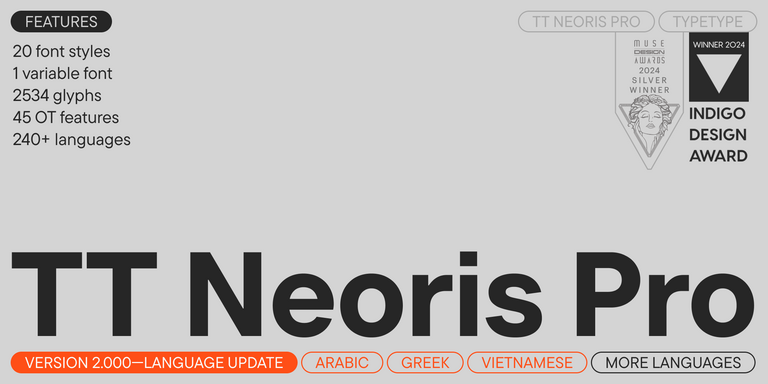
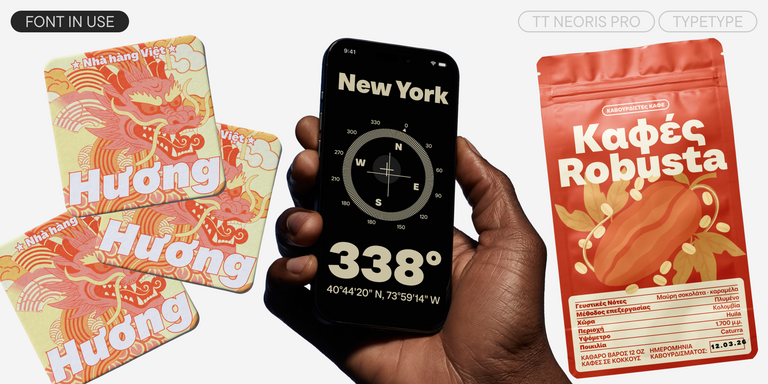
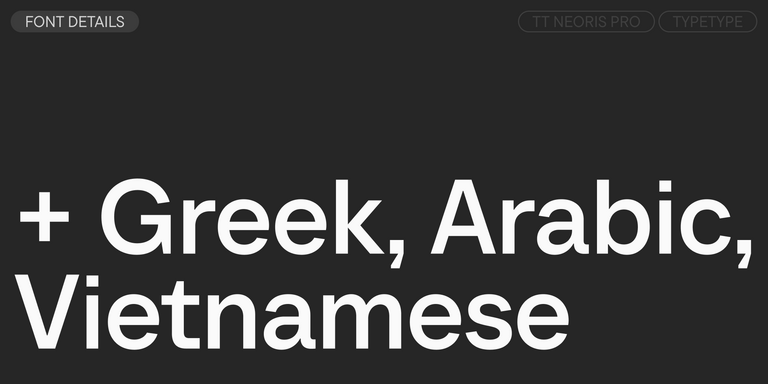
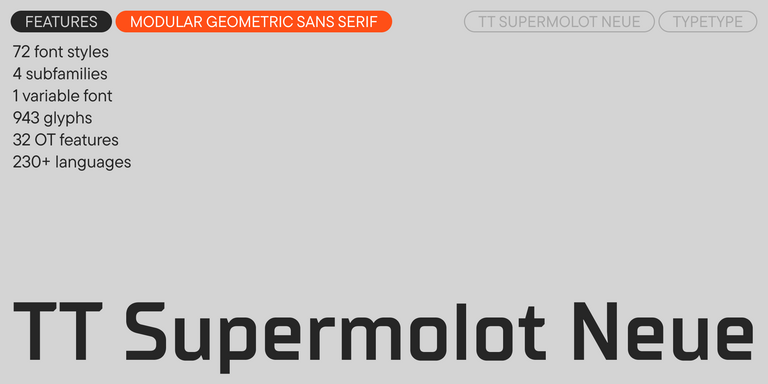
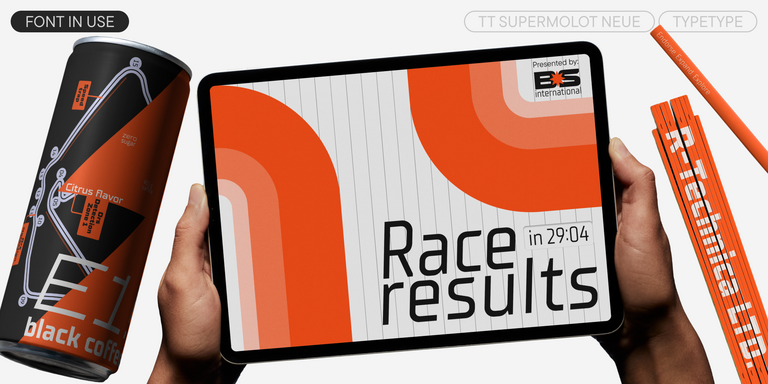
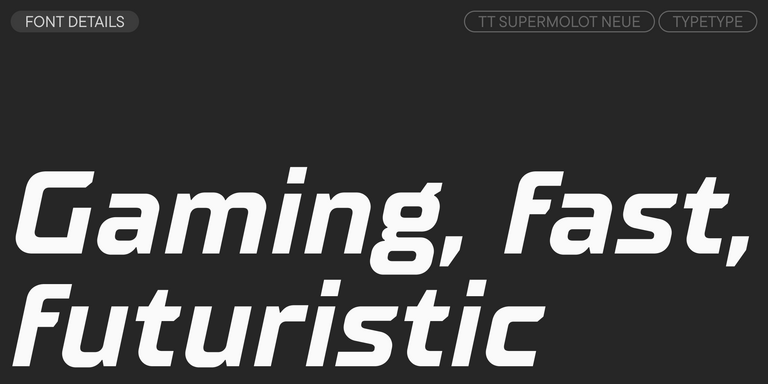
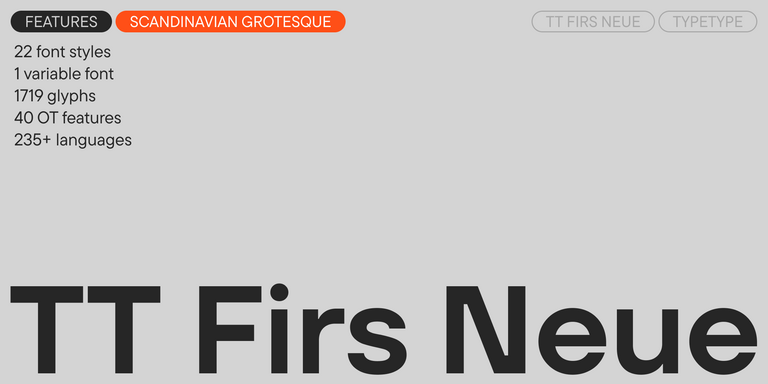
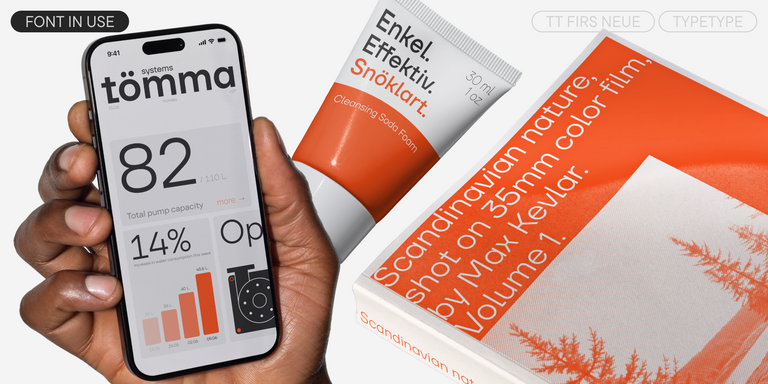
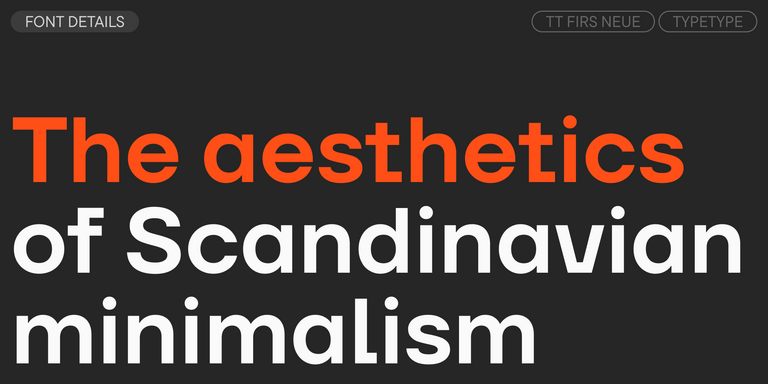
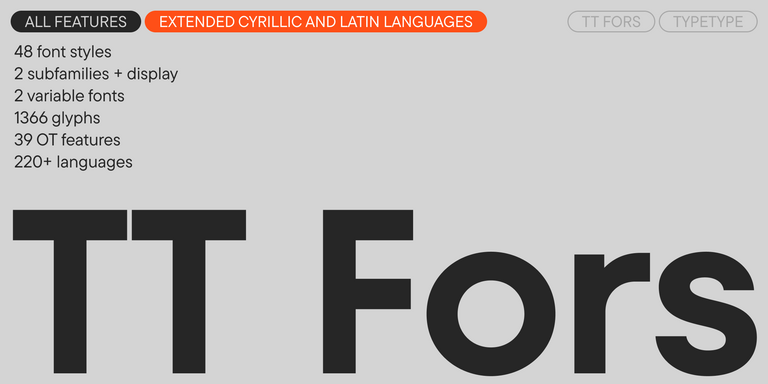
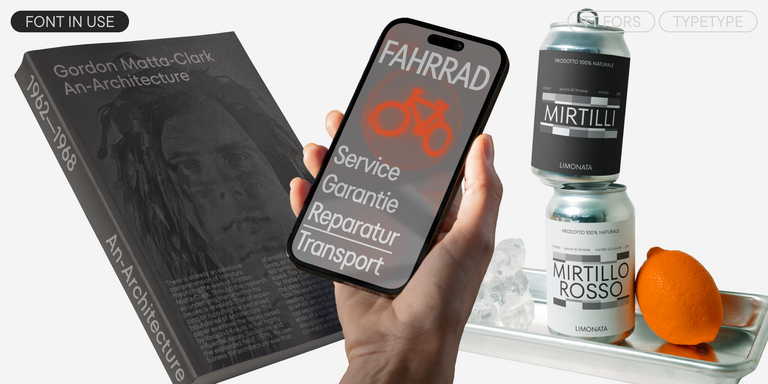
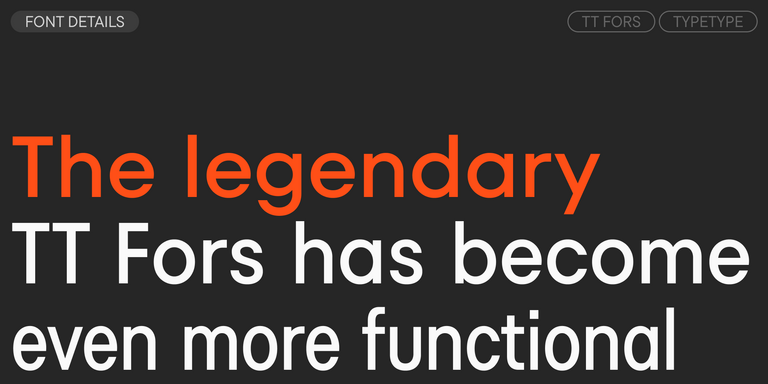
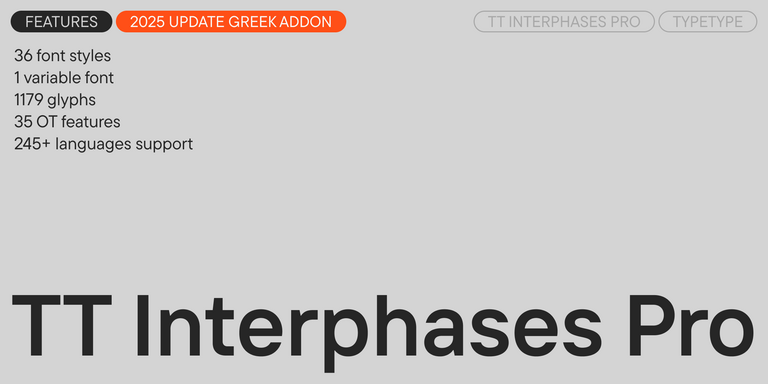
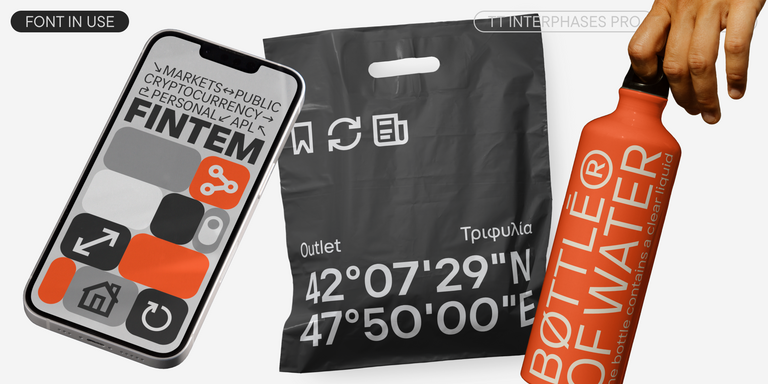
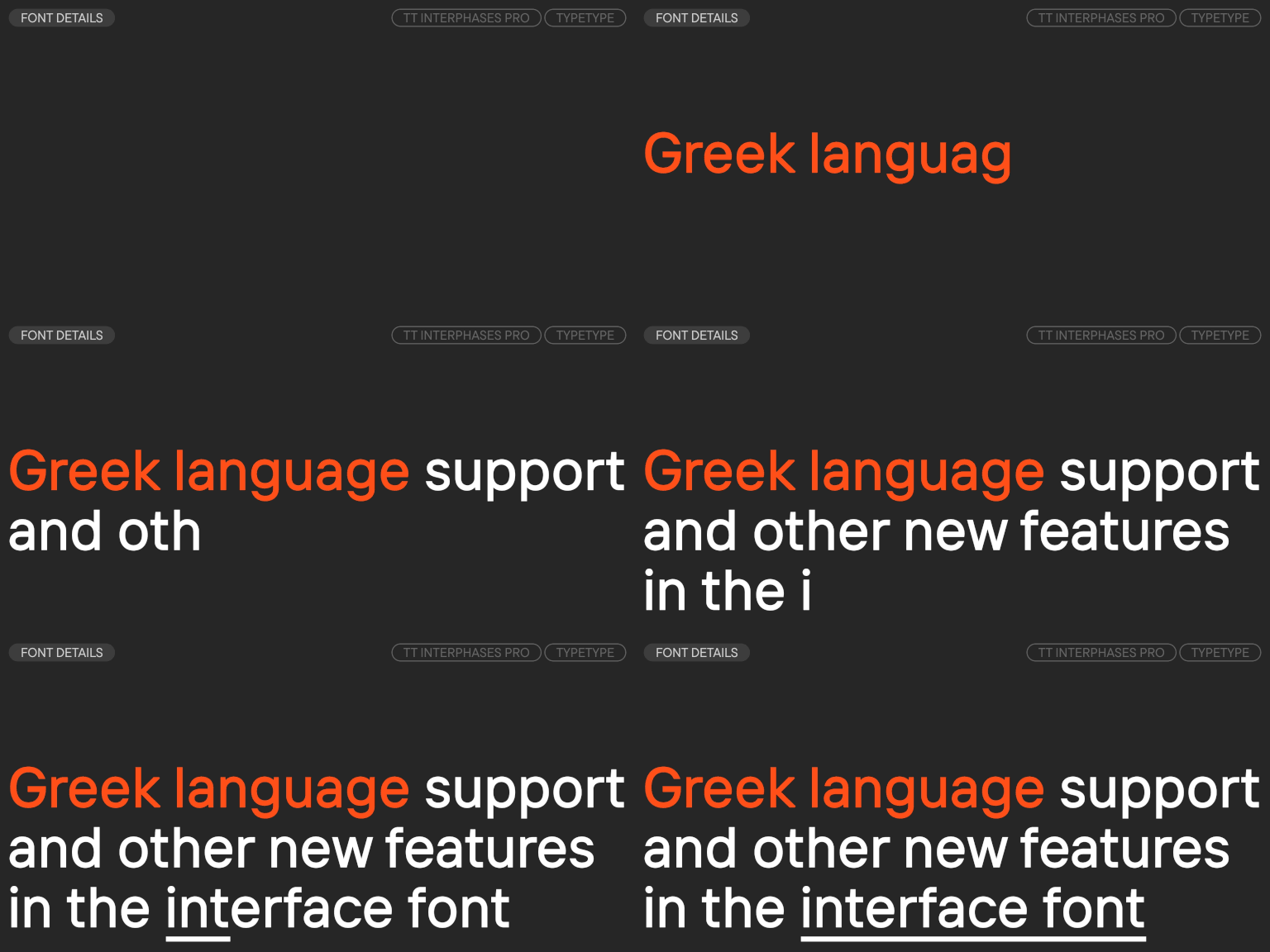
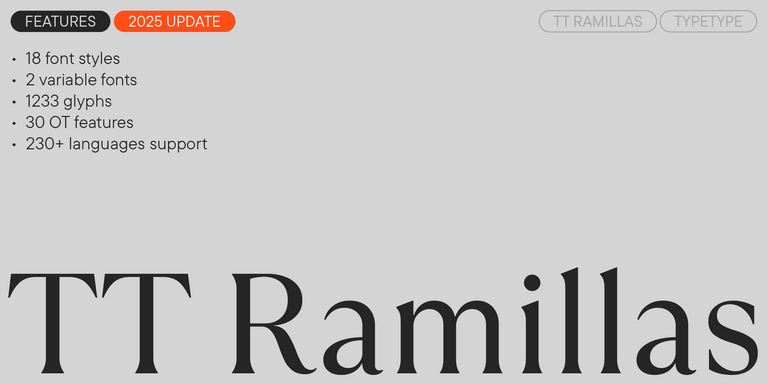
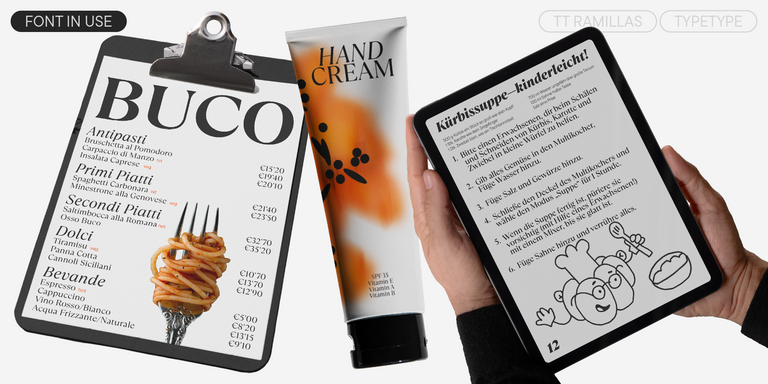
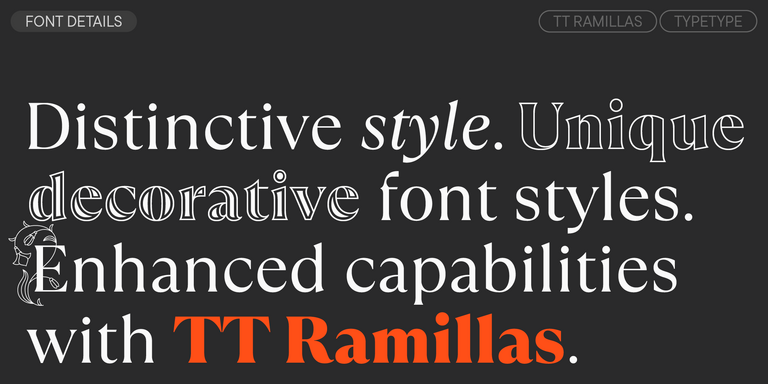
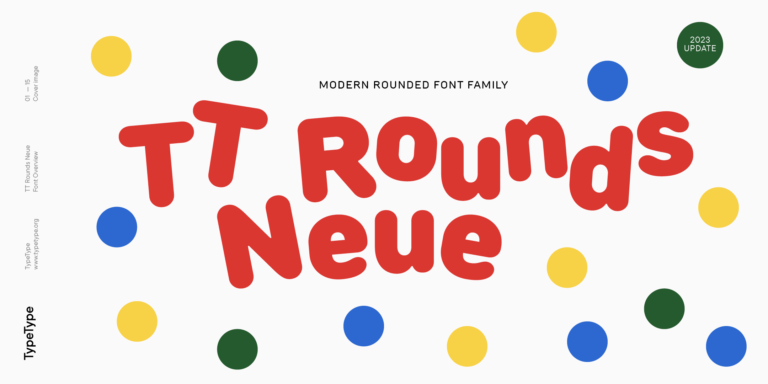
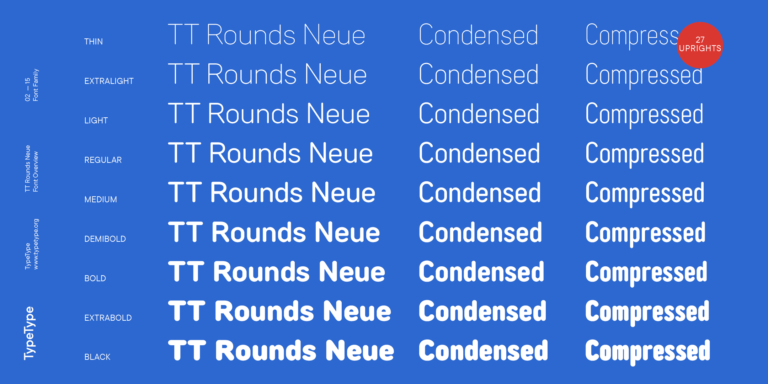
TypeType’s best seller font collection brings together families that designers choose for different professional tasks. TT Norms® Pro is a geometric sans serif and a reliable workhorse for branding, interfaces, and corporate systems. TT Commons™ Pro offers a large, redesigned sans serif family for flexible communication across digital and print media. TT Hoves Pro combines neutral utility with recognizable geometry, making it suitable for product design and brand identity. TT Neoris Pro is an elegant neo-grotesque for modern visual systems, while TT Supermolot Neue brings a more energetic character to campaigns and display typography. TT Firs Neue, TT Fors, and TT Interphases Pro support contemporary digital and brand environments with different degrees of neutrality and expression. TT Ramillas adds an editorial serif option, and TT Rounds Neue offers a softer, friendlier voice. These families support Latin and Cyrillic and are available with multiple license formats.
Timeless Classics vs. Trending Styles: Two Types of Bestsellers
The phrase best selling fonts all time often refers to two different categories. Some typefaces become long-term classics because they solve universal design tasks: neutral sans serifs, reliable grotesques, functional serifs, and families with stable demand across decades. They are useful when a brand needs consistency, longevity, and broad applicability. Other bestsellers are trend-driven: they rise quickly because they match a current visual mood, such as bold display typography, soft rounded forms, or expressive editorial styles. These can be powerful for campaigns, launches, and short-term brand moments, but may age faster. The best choice depends on the strategy: choose timeless styles for core identity systems and trend-led options for projects where impact and cultural relevance matter more than permanence.
Licensing Options for Commercial Use
TypeType offers several licensing options for commercial projects. A Desktop license is suitable for installing typefaces and using them in design software, presentations, print layouts, and static brand materials. A Web license covers website use, while an App license is required for embedding type into mobile or desktop applications. The key rule is simple: before using a typeface commercially, choose the license that matches the exact environment where it will appear.