
Typewriter fonts may seem like a thing of the past, but they continue to inspire designers today. Born in the age of mechanical typewriters, they have migrated to the digital world, preserving their unique aesthetic.
In this article, we’ll explore what typewriter fonts and typewriter style fonts are, trace their history, identify their key characteristics, and see how they are used in modern design.
What Are Typewriter-Style Fonts?

Typewriter-style fonts are typefaces designed to imitate the look of old, typewritten text from a mechanical or electric typewriter. Their main feature is monospacing: every character occupies an identical amount of horizontal space. Additionally, the outlines of these fonts are often made intentionally uneven, as such imperfections give the design an authentic, vintage feel. These fonts are based on classic typewriter typefaces, whose visual features were dictated not by aesthetics, but by necessity.

The History of Typewriter Fonts
The first mechanical typewriters appeared in the 19th century with a fairly simple operating principle. Each key activated a lever with a character slug, which struck paper through an ink ribbon. Due to mechanical constraints, all characters were made the same width—this simplified both the mechanism’s operation and text alignment. This is why original typewriter fonts were monospaced, and the letter forms were imperfect due to the way ink transferred to the surface.

In the late 20th century, the typewriter began to give way to the computer, but its monospaced characteristic remained. In 1955, designer Howard Kettler developed the monospaced computer font Courier, based on a classic typewriter style. It quickly became the standard for business correspondence and found a new application in computer interfaces and programming, as monospaced fonts are ideal for writing code.

With the dawn of the digital age, fonts that look like a typewriter became a stylistic choice. Designers began to create typefaces inspired by retro typography but built to meet modern visual and technical standards. This is how the best typewriter fonts were given a new lease on life.
Key Characteristics of Typewriter-Style Fonts
Here are the main features that distinguish fonts in the typewriter style:
- Monospacing: All characters have the same width.
- Uneven Outlines: Imitates the impact of a character slug hitting paper.
- Moderate Contrast: No extremely thin or thick lines.
- Softened Corners: Just like the letters on real character slugs.
- Worn Effect: Some fonts include texture for greater authenticity.

These features create a sense of manual craftsmanship, which makes this type of font popular in designs with a nostalgic or vintage mood.
Why Use Typewriter-Style Fonts Today?
At first glance, it might seem that fonts imitating a typewriter are just a tribute to the past. But in reality, they remain relevant and in-demand across various fields of design and visual communication because they have a special character, atmosphere, and expressive power.
Here are just a few areas where you can usetypewriter-style fonts:
1. Graphic Design

Typewriter fonts instantly create a feeling of something lively, real, and hand-made. They are often used where it’s important to emphasize individuality and add a sense of nostalgia.
2. Branding
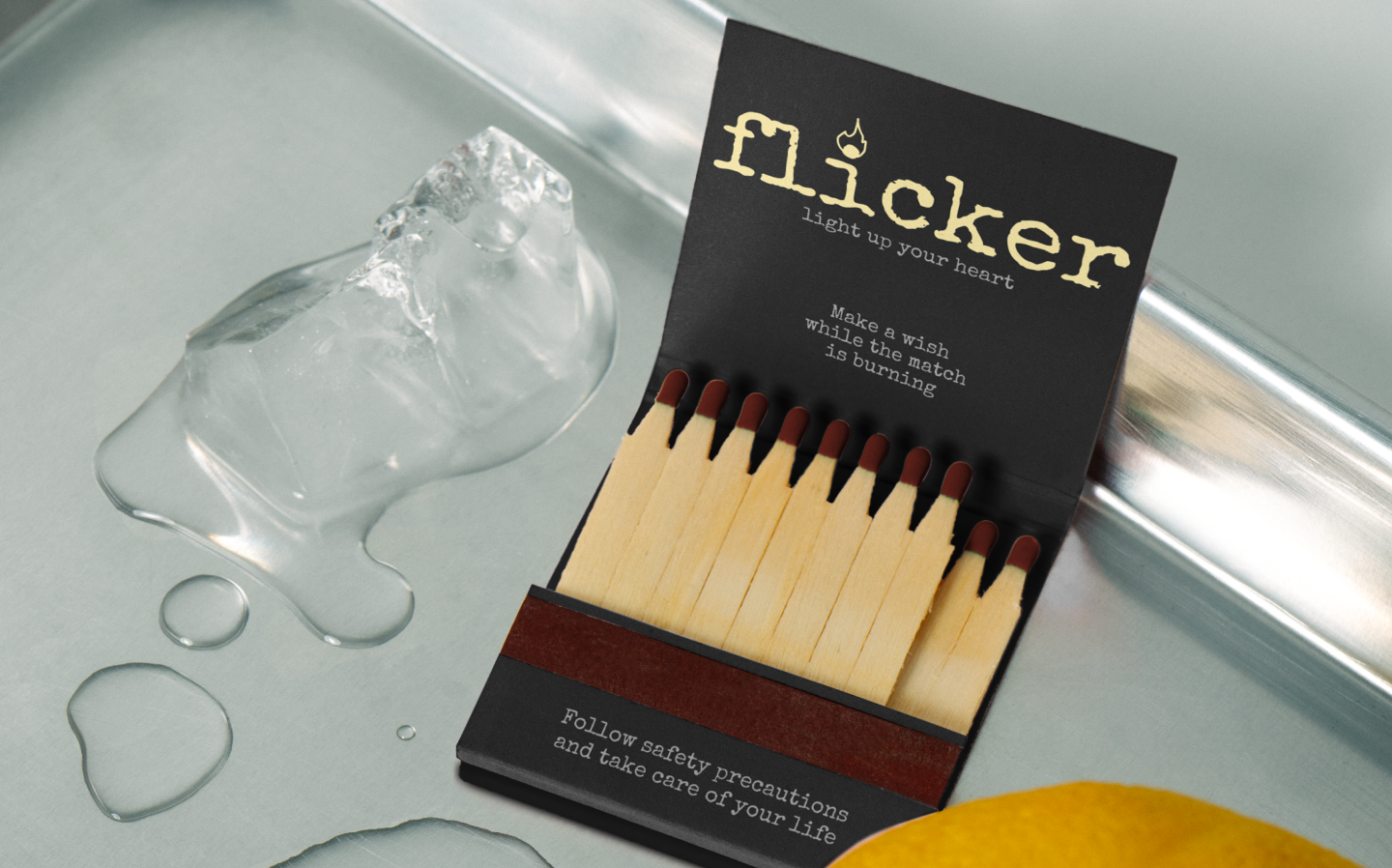
Brands that want to highlight their vintage aesthetic, independence, or craftsmanship often use this type of font. They are associated with archives, letters, and old documents—things that feel familiar and evoke trust and warmth.
3. Web Design

Typewriter style fonts are rarely used for the main body text of a website, but they work perfectly in accent captions, headings, and quotes. They help highlight a block of information and give the page character. They look especially organic in projects related to technology or digital art.
4. Magazines and Print Media

These fonts are often used in the layouts of magazines and books, especially if the topic is related to history or documentaries. They help visually enhance the mood of the text—as if you’re reading a hand-typewritten draft.
The Best Typewriter-Style Fonts Available Today
Here is a small list of fonts in the typewriter style, as well as some of the best free options you can use for your creative experiments. If you want to discover even more, you can browse various font libraries online.

Classic Typewriter Fonts
- Courier / Courier New: A standard monospaced font created based on a typewritten original.
- American Typewriter: A popular font stylized to look like a classic typewriter.
Free Typewriter Fonts
- Special Elite: A good free font with a distressed effect that authentically mimics a typewritten text.
- VT323: A stylized pixel font that evokes memories of the 90s and old computers.
- Typewriter Serial / Another Typewriter: Authentic options with a touch of charming carelessness.
Premium Typewriter Fonts
- Remington Noiseless: A stylization of 1920s typewriter fonts.
- Olivetti Type: An elegant font with a European flair.
- Tox Typewriter: A rough font with a hand-stamped effect.
Conclusion
Typewriter-style fonts are a bridge between the past and the present. They preserve the charm of a bygone era while remaining relevant in modern digital design. They are used to create a special atmosphere, evoke a sense of nostalgia, and emphasize individuality. These fonts remind us that sometimes, imperfection is the very definition of style.