AI (Artificial Intelligence) has already become a familiar part of our visual environment. Today, a neural network can generate an image, create a logo, assemble a design concept, propose the style of an advertising campaign, and even output a string of text in a given mood. At first glance, it seems that typography has also fully entered the era of automation: if artificial intelligence can make visual solutions quickly, cheaply, and with almost no barrier to entry, why should a brand invest in unique fonts?
But this is exactly where the main point lies. To generate something quickly does not mean to create a system. Getting an awesome picture does not mean getting a working typographic tool. And making something “not like everyone else’s” at the level of a first impression is not the same as building a true visual identity for a brand.
At TypeType, we work extensively at the intersection of typography, brand strategy, and font consulting, and that is exactly why we see this: in 2026, the value of a unique font is not decreasing—it is growing. The more accessible generic template AI tools become, the more important a brand’s own voice is. And the more noticeable the difference becomes between decorative generation and a real typographic system.
The Rise of AI Typography in Modern Design
How AI Generated Fonts and Typography Tools Work
When people talk about AI fonts, they often mean several different things at once. Sometimes it’s about generating letters as an image. Sometimes it’s about services that complete an alphabet based on a few samples. Sometimes it’s about automating specific stages within professional font development. But fully-fledged “AI generated fonts” as such do not really exist yet.
Today, the majority of such fonts are essentially the visual results of generation. They most often exist as an image format: PNG, JPG, or other raster graphics. For an eye-catching poster, a video cover, or gaming titles, this might be enough. For branding, interfaces, and systemic corporate communication—it is not.
“What we get today as a generative font is usually not a full-fledged font, but an image. AI services can generate PNG or JPG letters on a given theme, but it is still a set of pictures, not a working typography system.“
Ivan Gladkikh, CTO and Co-founder of TypeType
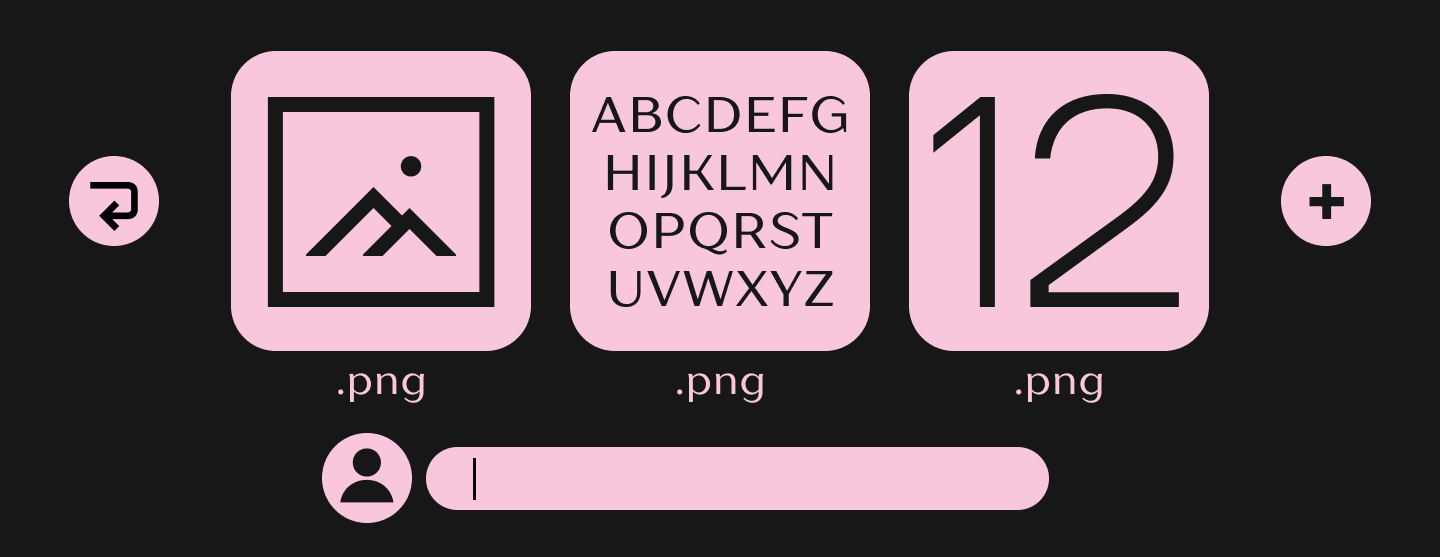
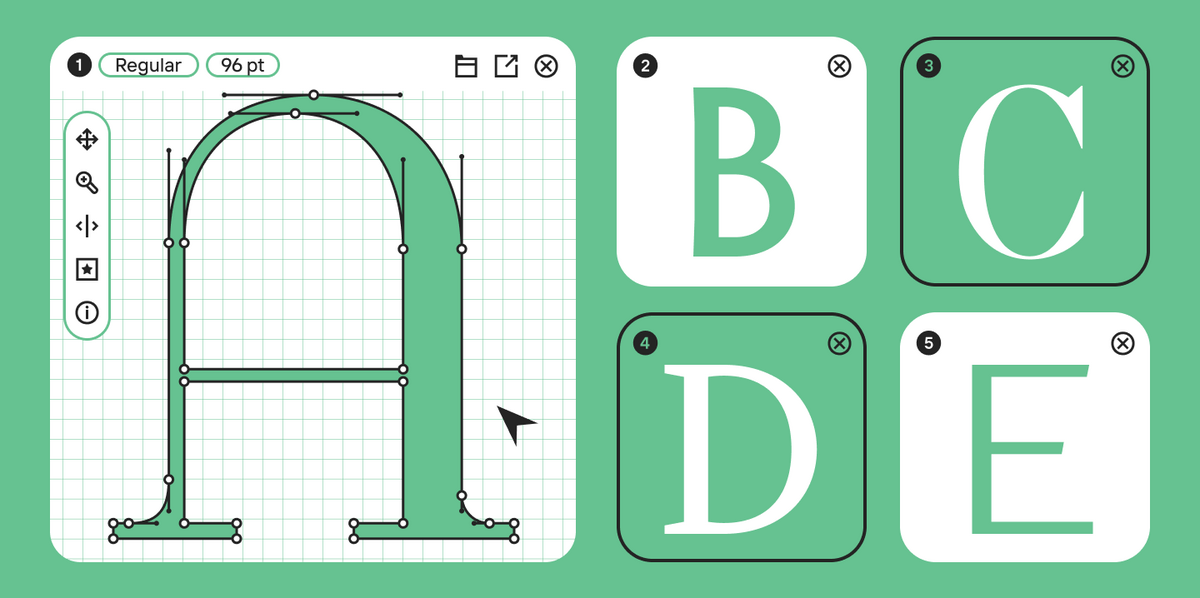
This is exactly where the first important boundary lies. Letters in the form of a picture and a fully-fledged font are not the same thing. A typeface is a complex software product that can scale, display correctly in different environments, and work in dozens of different scenarios. And this requires a completely different level of quality.
Why AI Design Tools Make Typography More Accessible Than Ever
At the same time, it would be strange to deny the obvious: AI has indeed made design more accessible. It gave teams without a large budget a fast entry into visual production. The neural network became a tool that helps test hypotheses, assemble initial options, speed up creative exploration, and remove some of the routine workload.
In this sense, AI is a helpful assistant. Small businesses, startups, content teams, creators, and marketers gained the ability to quickly create design concepts without a long production cycle. This also applies to typography: a generator can help find a mood, a stylistic approach, or create a simple inscription on a picture.
But mass accessibility always has a flip side. When everyone starts using the same tool, the market quickly becomes saturated with similar visual solutions. And then, the primary issue is no longer the fact of generation itself, but the question of differentiation.
The Growing Popularity of AI Fonts in Branding and Content Creation
AI typography is especially popular where a fast, bright, one-off solution is needed. These are images for social media, advertising posters, greeting cards, product cards on marketplaces, and flyers. For such formats, a generator can be a handy tool: it helps quickly create an effect, atmosphere, and mood.
But branding is almost always a long-distance run. Here, all elements of visual solutions must not only attract attention and convey information here and now, but also withstand repetition. And the more touchpoints a company has, the more obvious the limitation of template AI solutions becomes.
The Hidden Problem with Generic AI-Generated Designs
When AI Typography Becomes Overused and Template-Based
The main weakness of AI in branding is not that it “does a bad job.” However, it starts doing similar things too quickly. A neural network does not work from a void—it collects, averages, combines, and reproduces visual patterns based on already existing material. Therefore, many AI solutions only give the impression of originality at first.
“A generative model does not invent a font out of nowhere. Most often, it reproduces an averaged result assembled from a historical visual database. Therefore, the output is not a new typographic idea, but something average.“
Ivan Gladkikh, CTO and Co-founder of TypeType
For brand design, this is a serious problem. A brand wins not through fleeting flashiness, but through recognition. If dozens of companies use the same generator, and everyone’s prompts are similar, at some point the “unique” result turns into just another overused template visual code.
The Risk of Losing Brand Identity in AI-Generated Content
Uniqueness is not a decoration for a brand; it is part of its market position. When a visual identity starts to look replaceable, the brand itself becomes replaceable. It stops speaking with its own voice and begins to blend in with others in the general trend.
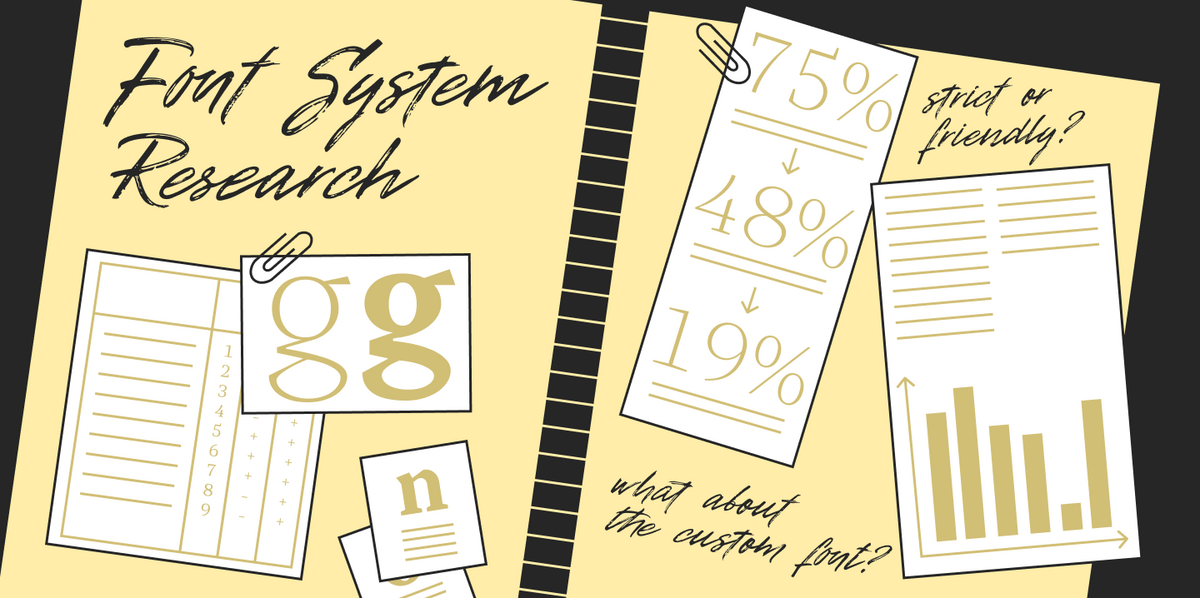
In our font research practice, we always look not only at individual fonts (whether they are paid or free Google fonts), but also at how they work in real communication: in what environments, what accents they create, how they support positioning, and how they differ from competitors’ solutions. This analysis is needed precisely so as not to dissolve into visual noise and to understand where a trend ends and the loss of identity begins.
Limitations of AI Font Generators in Creating True Originality
True originality in typography is not just about the shape of a letter. It is also about the quality of the outline, the behavior of characters in text, the logic of building the typeface, rhythm, stability in different environments, and functional features.
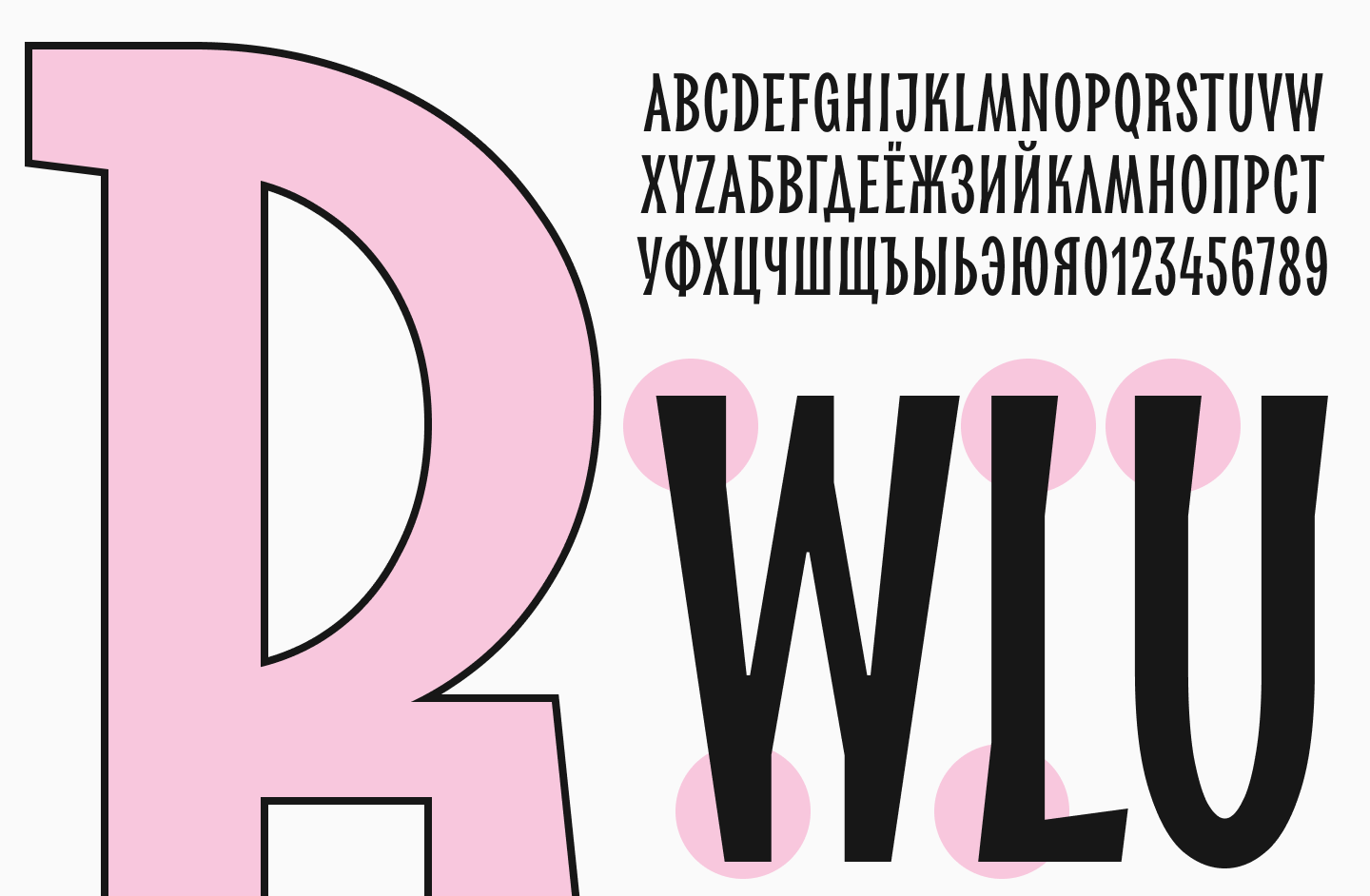
And here, AI currently hits fundamental limitations right at the first level.
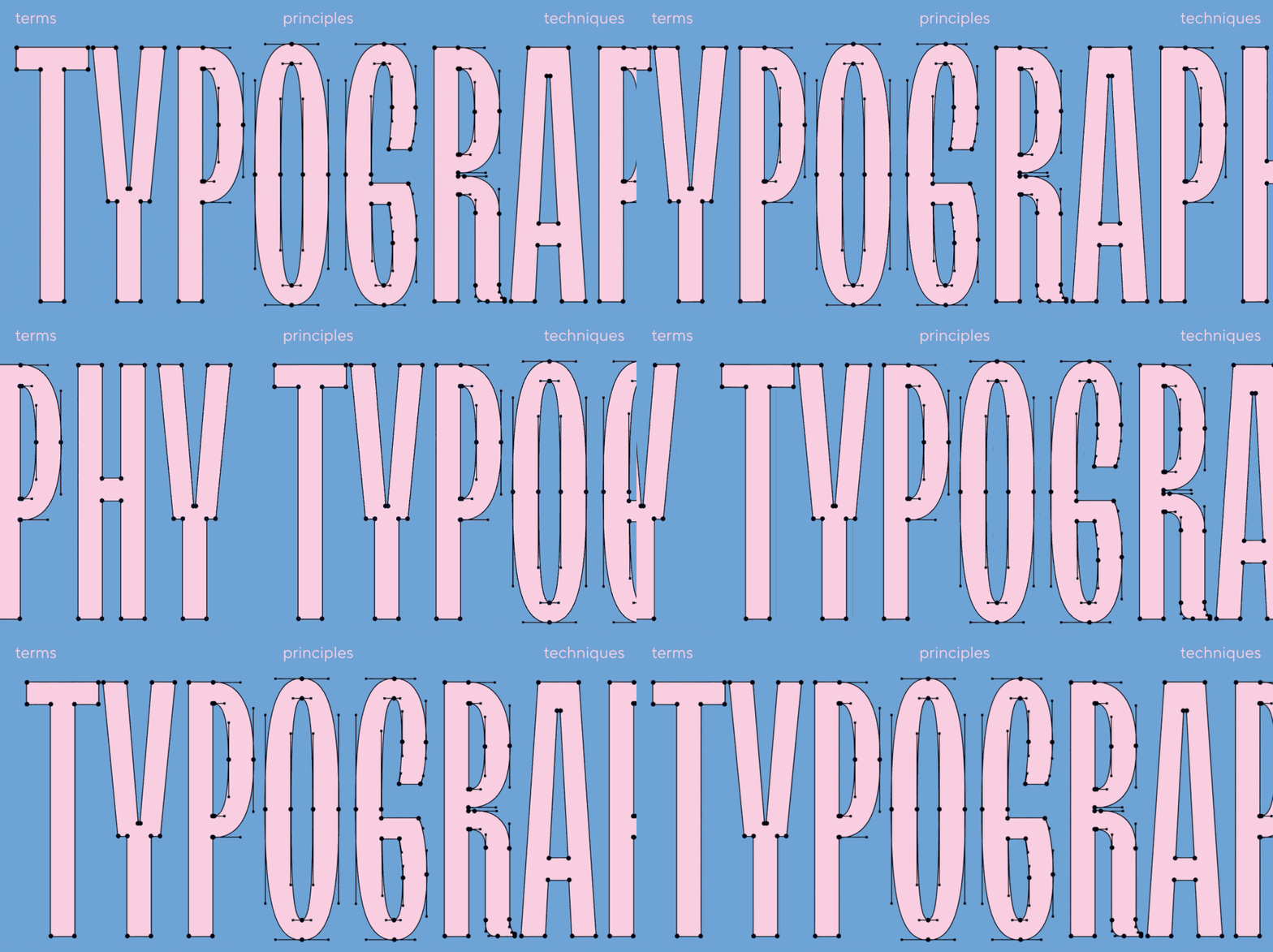
“Modern technologies do not yet allow generating vector letters the way professional typography requires. And if the system first creates a raster image and then converts it to a vector, artifacts, extra points, uneven outlines, and other problems appear that are critical for a font.“
Ivan Gladkikh, CTO and Co-founder of TypeType
Even if the result seems visually convincing, technically it is still far from a real font. And a corporate brand font is exactly the area where technical quality cannot be separated from the visual.
What Makes Unique Fonts So Powerful for Brand Identity?
Uniqueness vs. Decorativeness
Not every unusual font is unique. And not every expressive visual move becomes part of an identity. Sometimes a font can be very noticeable, but absolutely fail to work for the brand. It can be decorative, loud, trendy, “creative”—and at the same time empty on the level of meaning.
A unique font is one that doesn’t just look interesting, but meets modern requirements and trends, logically continues the history of the font’s visual development, and looks harmonious within the cultural environment in which it exists.
When talking about uniqueness for a brand, the font must correlate with its goals, environment, tone of communication, audience, and positioning. It enhances the brand, rather than distracting attention away from it.
The Role of Unique Typography in Visual Positioning
A font is one of the most constant elements of a visual system. We see it in interfaces, on websites and in apps, in logos, buttons, menus, documents, packaging, and advertising messages. It shapes the intonation of the brand almost imperceptibly, but very consistently.
In some segments, this role is especially obvious. For example, in the financial category, the font is directly tied to the perception of trust, reliability, and clarity. In our research, we found that for such brands, friendly forms, good readability of numbers, and the rejection of excessive display features are especially important. The font here must give a sense of security and clearly convey vital information.
This example easily scales to other industries. Each category has its own expectations, fears, scenarios, content requirements, and visual behavior traits. Therefore, typography is not a universal background, but a crucial part of brand architecture.
How Custom and Bespoke Typefaces Strengthen Brand Authenticity
A custom-made font helps a brand secure its own authenticity. It is created for a specific task: taking into account the digital environment, print media, logo, interface, language, brand character, audience specifics, and future scaling.
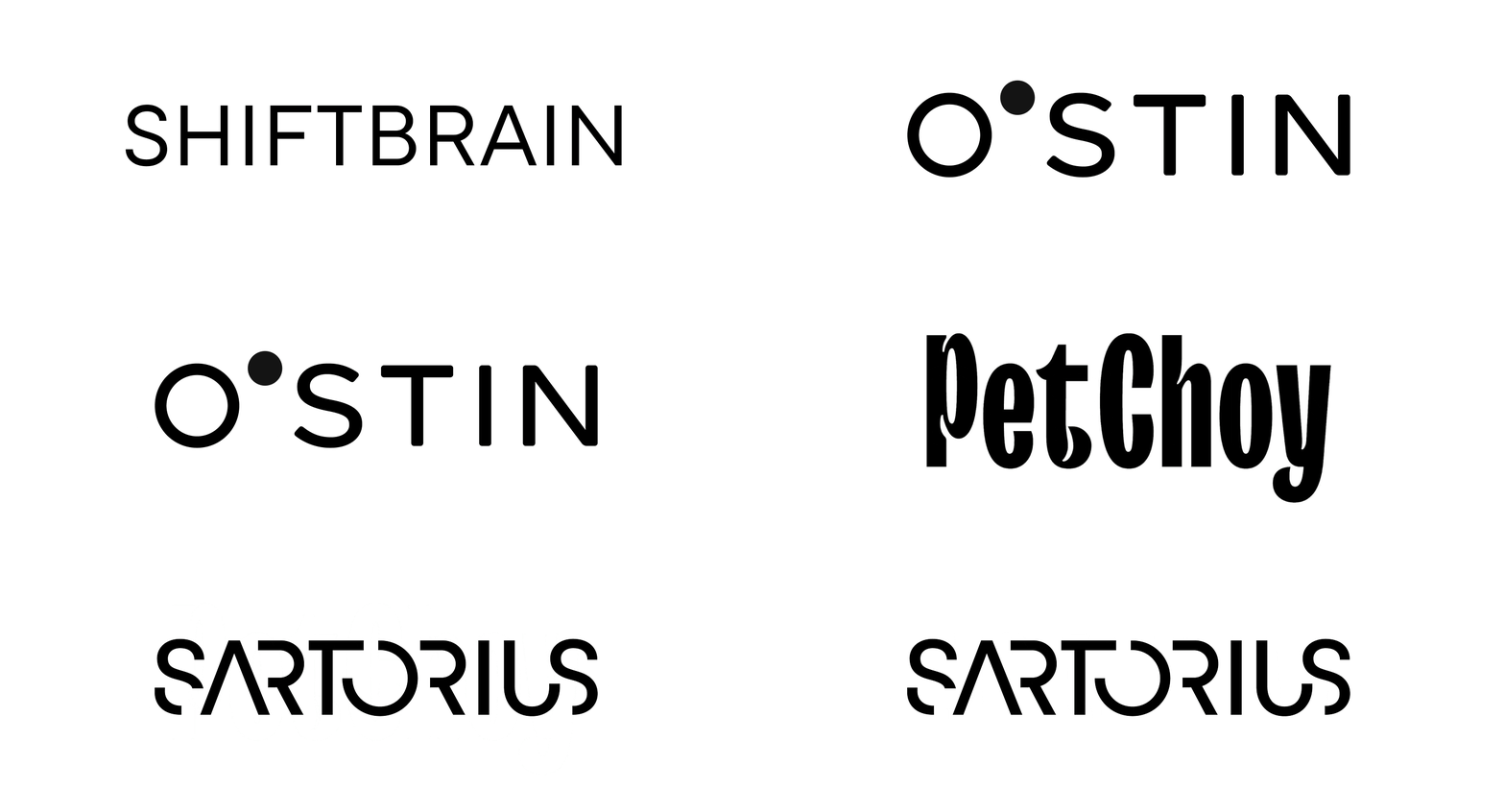
Such a font does not exist on its own. It becomes part of a typography strategy. That is why we often start a project to create a custom font for a brand not with drawing, but with analysis: we explore the competitive field, positioning, real font solutions in the segment, strengths and weaknesses of the current system, and then build a concept based on the results.
Unique vs AI Generated Fonts: Competitive Advantage in 2026
Why Big Companies Invest in Proprietary Corporate Fonts
The larger the brand, the more important control is for it. Control over the visual language, legal risks, technical content, and recognition. That is exactly why large companies increasingly invest in their own proprietary fonts: it is not an image-boosting gesture, but a pragmatic decision.
An exclusive typeface gives the brand independence from mass-market solutions. It helps avoid overlapping with competitors, build a more stable corporate style, and secure visual identity over the long term. In our research practice, we specifically look at whether brands use their own fonts, commercial licenses, or free typefaces, and how this correlates with their recognition and perception in the market.
Typography Consistency Across All Platforms
Visual consistency is one of those things that rarely produces an instant wow-effect, but it is exactly what creates the feeling of a strong brand. When a font works equally confidently across all media, the brand is perceived as cohesive. When the typography is different everywhere, a sense of randomness and loss of control emerges.
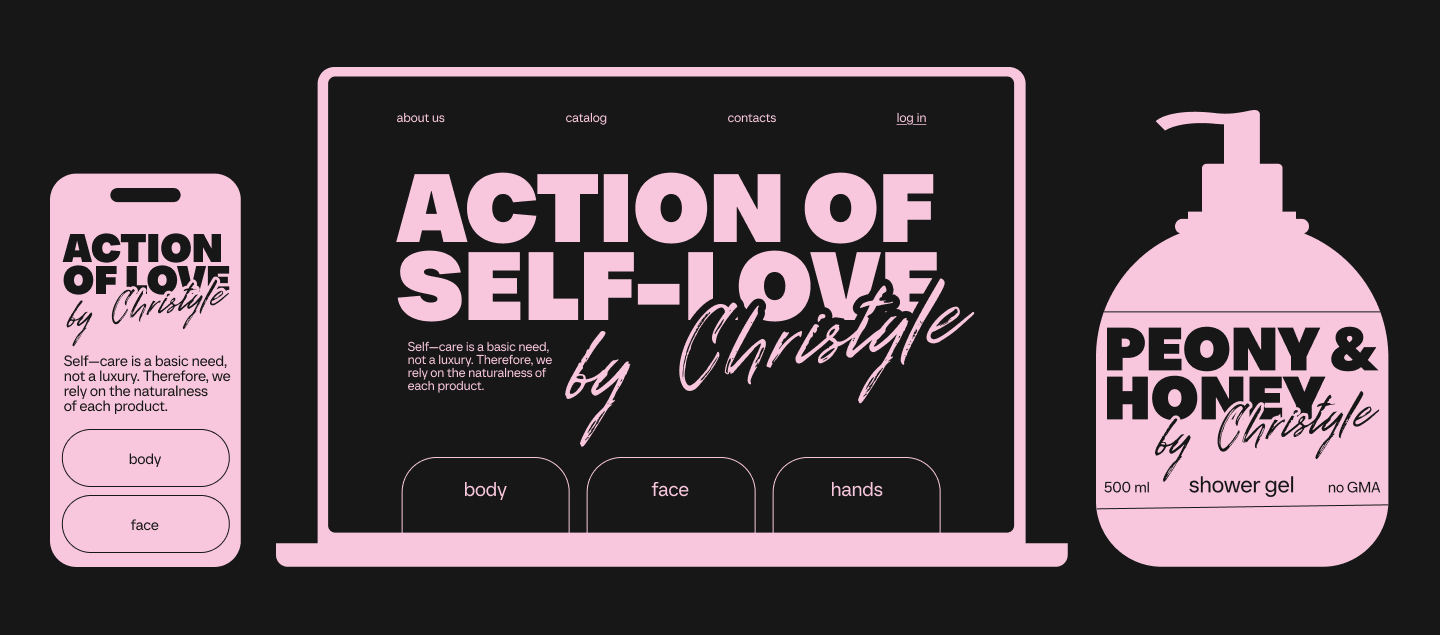
Therefore, it is always worth looking at fonts not in a vacuum, but in real use: comparing how they work in different environments, on different media, how consistent the brand is in the context of typography, and where system breaks occur.
AI generated typography solutions cannot be designed with such a margin of systematic resilience.
Long-Term Brand Value vs. Short-Term Savings
On the side of AI, there is almost always the advantage of speed and a low entry budget. On the side of a high-quality, well-developed design system is the argument of time. It is more expensive, more complex, and requires involvement. But this is exactly what creates an asset that works not just once, but for years.
Short-term savings in design and typography often turn into long-term losses: visual similarity, system instability, inability to develop identity, forced design changes, and constant “patching” of communication.
Copyright, Licensing, and Intellectual Property Issues in AI Typography
Who Owns AI Generated Fonts?
This is one of the most sensitive questions for brand projects. When a company uses AI generation, it often faces too many ambiguities: how original the result truly is, what rights the service provides, whether the solution can be used exclusively, whether rights can be transferred, what the platform’s limitations are, and what to do if a similar solution appears for another brand.
Trademark and Copyright Risks in AI Design
If a font becomes part of the identity, logo, corporate style, or key communication, legal uncertainty turns into a risk. It is vital for a brand to understand on what grounds it uses a visual solution, how defensible this solution is, and whether it mimics someone else’s forms too closely.
The problem with AI is that it often gives the illusion of uniqueness without a real guarantee of uniqueness. For intellectual property, this is a weak position.
Why Custom Fonts Offer Better Intellectual Property Protection
Custom development creates a transparent legal model. There is a clear creation process, a clear contract, a clear mode of transferring rights, and clear boundaries of use. This is especially important for companies that are building a long-term brand strategy and view typography as a permanent asset, not temporary decoration.
This is why a bespoke font, or one individually reworked for a project, often turns out to be both a design and a legal solution at the same time. It helps not only to speak with your own voice but also to confidently secure that voice as your own.
We discussed more about how font licensing works here.
Can AI Help Create Unique Typography?
Using AI as a Tool, Not a Replacement for Designers
Yes, it can—if we look at it soberly. We do not view AI as the enemy of the profession. On the contrary, for us, it is an interesting technological zone where useful tools will eventually appear. But it is important to distribute roles correctly: AI in the foreseeable future is a helper, not the author of a full-fledged typography system.
“If AI-based tools for font development already existed, we would use them. The issue is not a rejection of technology, but the fact that such tools simply do not exist yet.“
Ivan Gladkikh, CTO and Co-founder of TypeType
Combining AI Generation with Human Creative Direction
Inside professional development, AI can be useful in separate, very specific tasks. We ourselves explore such scenarios: automating routine processes, working with italics, and attempting to improve individual technical stages. But for now, the result remains intermediate.
“The value of a type designer lies in creating something new. The idea itself, the very core of the font. We want to automate routine work stages, not ideas. We conduct such research, but today even a good technical result still requires human fine-tuning comparable to manual labor.“
Ivan Gladkikh, CTO and Co-founder of TypeType
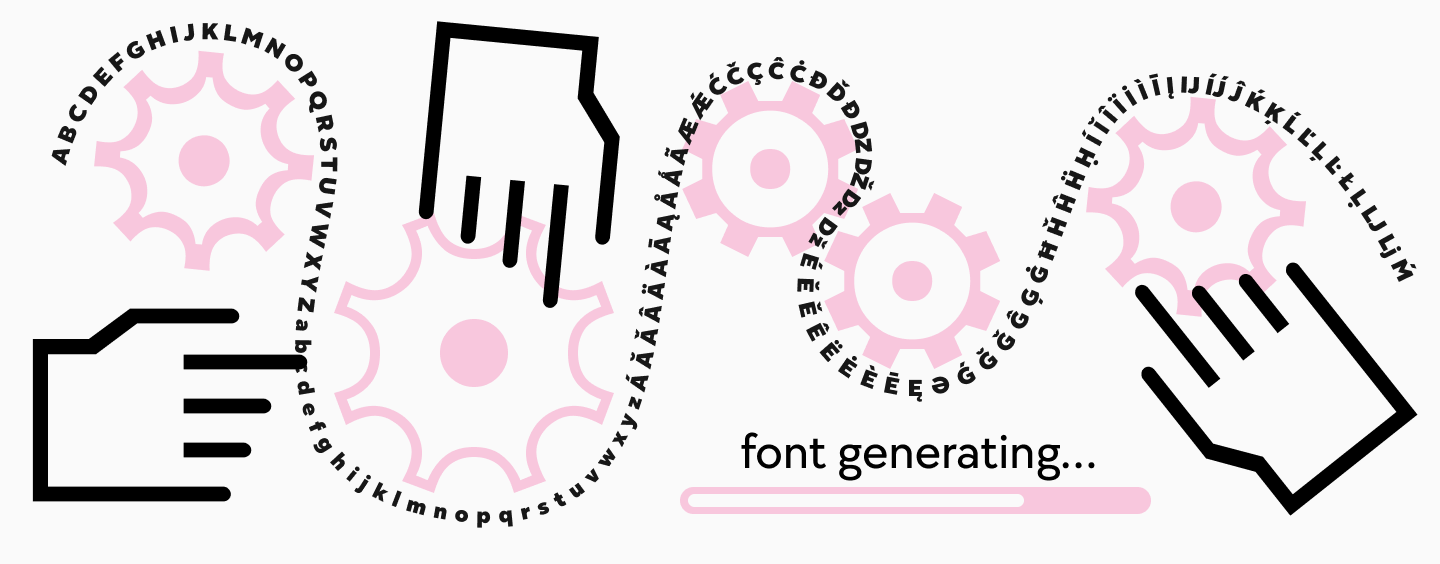
This is why the best scenario today is hybrid. AI can speed up the process, help with research, and support technical tasks, but the bulk of the process still requires the work of a human designer.
How to Make AI-Assisted Typography More Original
If a brand still uses AI tools, it is crucial not to stop at the first generation. Originality does not appear automatically. It requires context, curation, artistic taste, market understanding, knowledge of limitations, and subsequent manual refinement. The stronger a team’s research base, the higher the chance of using AI meaningfully.
When Should a Brand Choose Custom Fonts Over AI Typography?
Startups vs Established Companies: Different Needs, Different Strategies
Not every brand needs a bespoke font right from the start. For a small project, a high-quality commercial license or a temporary system based on a free typeface might be a reasonable solution. This is a normal path.
But as the brand grows, so do the demands on typography: recognition is needed, the role of interfaces strengthens, more media appear, the cost of error increases, and the importance of legal clarity and visual consistency grows. And at some point, the off-the-shelf system stops coping.
Logo Design, Corporate Identity, and Long-Term Consistency
If typography becomes part of the logo, corporate style, product environment, and long-term communication, it ceases to be an expendable material. At this point, the font is no longer just “one of the elements” but part of the brand’s foundation. And the more vital its role, the weaker template, uncontrollable, or overly mass-market solutions look.
Signs Your Brand Has Outgrown Generic Typography
Usually, this is felt quite clearly. The brand starts to look similar to competitors. The visual system breaks down into fragmented unique typography designs that don’t match. The team increasingly fixes manually what should work automatically. There is a feeling that the communication is outdated and no longer matches the scale of the company.
This is a great moment to transition from a random set of tools to your own typography strategy.
The Future of Typography: Human Uniqueness in an AI-Driven World
Will AI Replace Type Designers?
In the foreseeable future—no. Not because technology isn’t developing, but because professional typography requires much more than just generating shapes. What matters here is not only the logic of construction and technical quality but also visual experience, an intuitive understanding of harmony, and a sense of style.
“A font is a rhythmic construct. For it to be harmonious, the distance between letters must be tuned correctly—and here, not only precise calculation plays a role, but also a subjective component. AI cannot correctly solve this task. This is the mastery of the type designer—to assemble all the elements so that it is beautiful, rhythmic, and noble.“
Ivan Gladkikh, CTO and Co-founder of TypeType
Why Uniqueness Will Remain a Core Competitive Asset
The more generation tools appear around us, the higher the value of what cannot be quickly copied. In an AI world, uniqueness does not disappear—it becomes a scarcity. And therefore, an asset.
A unique font is not just a design luxury. It is a form of authenticity, strategic precision, and visual stability. It helps a brand not to dissolve in a stream of equally accessible solutions.
How to Discover and Develop a Distinct Typography Style
A good strategy almost never starts with the question, “what font should we choose?” It starts earlier: with understanding the brand and its tasks, analyzing the competitive environment, the visual field of the category, and the role of typography within the entire system.
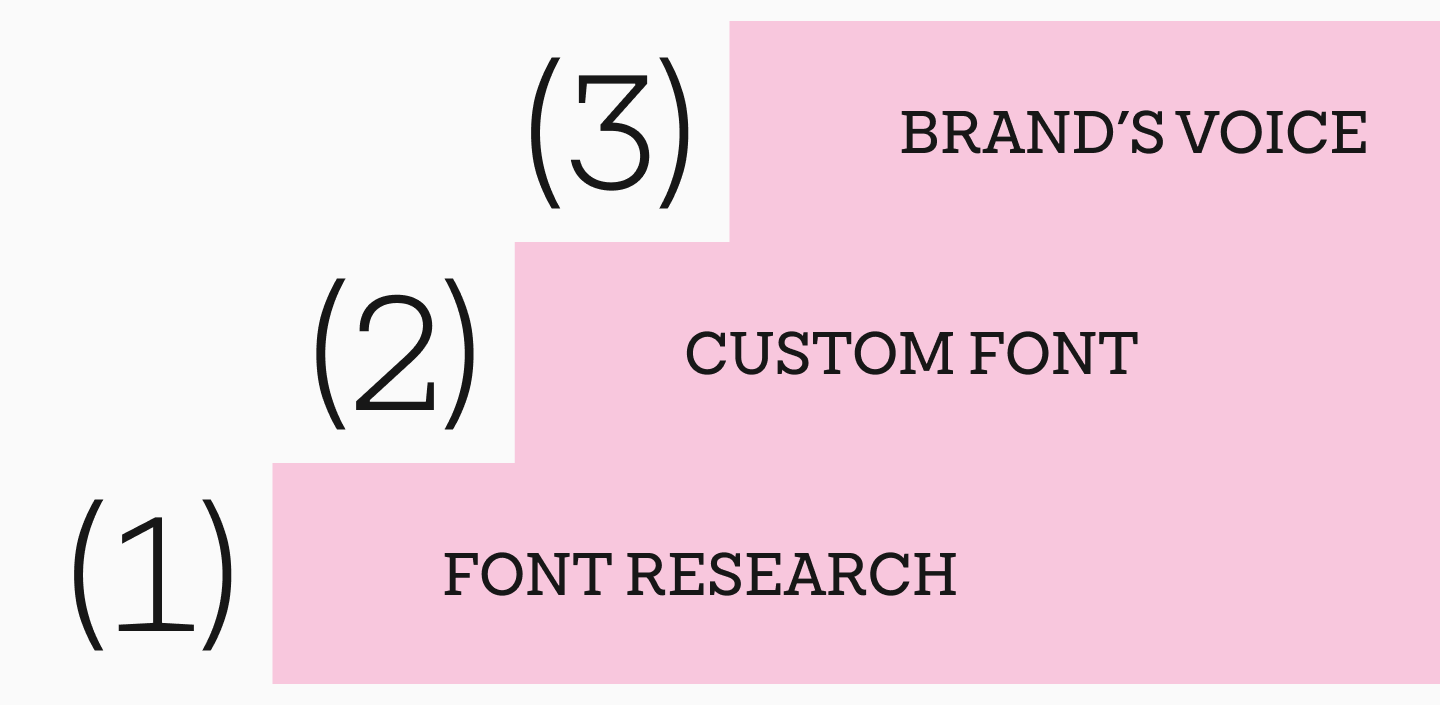
This is exactly why we often start by helping our clients discover insights through research. We analyze the market, see what fonts the main players use, how they position themselves, what typographic criteria are important for the brand, what trends really work, and how all this translates into a concrete typography development strategy.
Conclusion
AI has already changed design—and will continue to change it. But in typography, this change does not cancel out the value of authorial work; on the contrary, it makes it even more noticeable. The more fast, template, and easily reproducible solutions there are around, the more important it becomes to have something created consciously, precisely, and for a specific brand.
If you feel that your typography is already cramped within standard solutions, perhaps this is exactly the moment to look at it strategically: to research the segment, understand the competitive field, and determine what your own typographic language should be.
FAQ
Can AI generated fonts be legally protected as intellectual property?
It depends on the service, licensing terms, and the degree of originality of the result. But overall, AI solutions usually carry a higher level of legal uncertainty and copyright risk.
Is an investment in a unique font justified for a small business?
Yes, if the brand is built for the long term and typography plays a major role in its identity. Not every small business needs its own custom font immediately, but for many companies, it becomes a strong competitive advantage during the growth phase.
How does a custom font increase brand consistency?
It sets a unified system for all touchpoints: website, app, advertising, packaging, presentations, logo, and corporate communication. Instead of a set of random designs, the brand gets a cohesive visual language.
What is the difference between a proprietary font and a commercial license?
A commercial license grants the right to use an existing font under specific conditions. A proprietary font is created specifically for the brand and gives it more uniqueness, control, and legal certainty regarding its trademark.
How to avoid using overused AI solutions?
Do not rely on a generator as the final source of a solution. You need research, segment understanding, competitor analysis, manual editing, and your own design strategy.
Does unique typography affect search engine optimization (SEO) and behavioral factors?
Not directly, but indirectly—yes: through the quality of the visual experience, readability, trust in the brand, depth of perception, and consistency of communication.
How long does it take to develop a custom typeface?
The timeline depends on the scale of the task: the number of styles, languages, technical requirements, the level of customization, and the number of media formats. It is not a fast process, but that is exactly why the result is stable and valuable in the long run.
Can AI help professional type designers?
Yes, especially in research and technical tasks. But today it is precisely an aid, not a full replacement for a human designer. Creating unique typography designs still requires human expertise.
How does unique typography affect trust in a brand?
Through a sense of cohesion, clarity, and authenticity. When a font exactly matches the brand and works consistently across all media, the communication looks more mature, professional, and reliable.