


Trial Fonts by TypeType
Trial fonts help designers evaluate a typeface in real layouts before making a licensing decision. On this page, TypeType provides test versions that can be used to check visual tone, readability, spacing, and project fit across branding, UI, editorial, and digital design contexts.
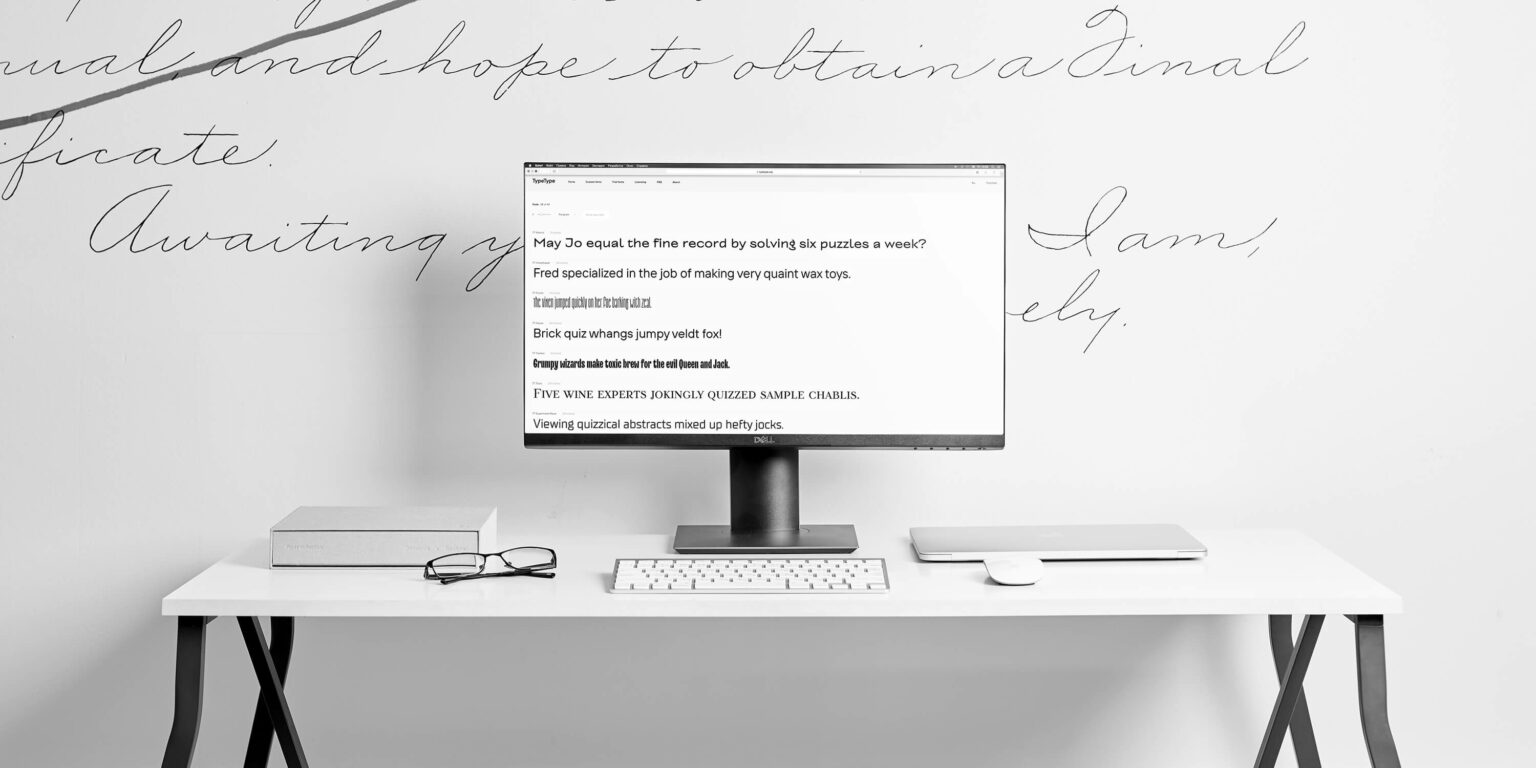
How to Use Trial Fonts: Download, Test, and Choose
-
Download the trial font and install it to fully test capabilities
-
Use fonts trial versions in layouts, branding, and UI mockups
-
Don’t use free trial fonts in finished personal or commercial work
-
Purchase a license once you’ve chosen the right typeface
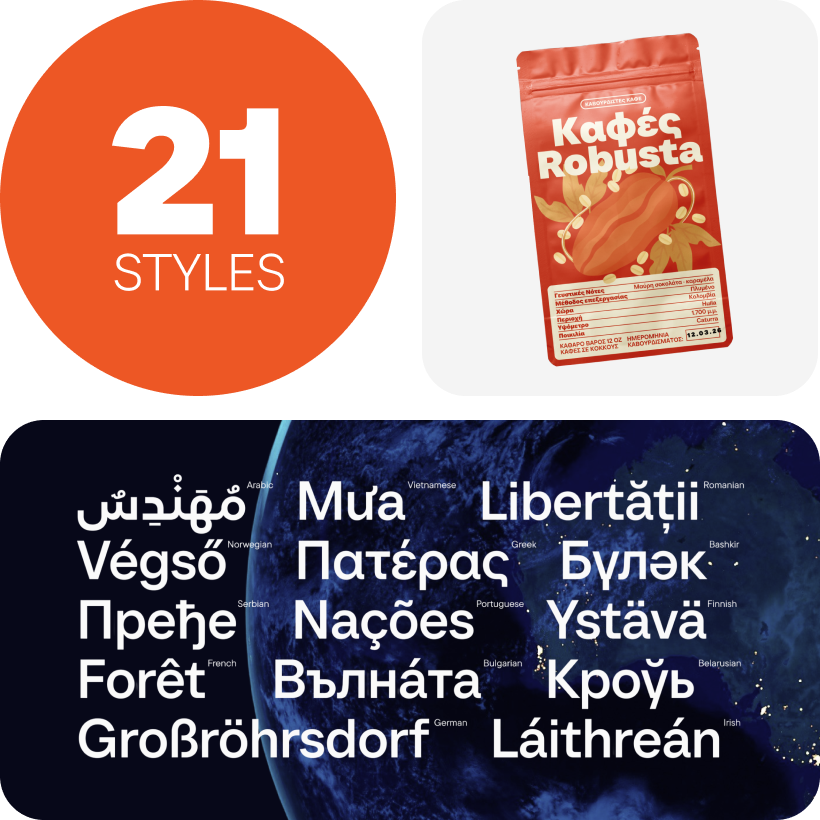

Trial Fonts by TypeType
Why Designers Download Trial Fonts Before Purchase
Choosing typography is easier when it can be evaluated inside a real project rather than only through specimen images. Designers, agencies, and brand teams use free trial fonts to compare visual directions before committing to a license.
Testing helps reveal how a typeface behaves with an actual brand name, headline, paragraph, interface label, or package design. It also makes it possible to evaluate readability at different sizes, spacing between characters, hierarchy across weights, and compatibility with the wider visual system.
This is particularly useful when several options seem equally suitable at first glance. A design that feels convincing in a large preview may become too expressive in body copy or too neutral in a branding context.
Treating testing as a standard part of the selection process helps teams make decisions based on real use rather than appearance alone.
What to Check Before Choosing a Family
A practical fonts trial should reproduce the situations the typeface will face after launch. Start with the content itself: test short headlines, longer paragraphs, numbers, punctuation, navigation labels, and any language-specific characters your project requires.
Compare several weights and styles to see whether the family provides enough hierarchy. Look at spacing and proportions at both large and small sizes, and check whether similar characters remain easy to distinguish.
For branding, test the family alongside logos, photography, color, and other identity elements. For interfaces, examine buttons, forms, menus, cards, and dense screens. Editorial projects should include full paragraphs rather than only display text.
TypeType’s current test versions contain the same character set, language support, kerning, OpenType features, and hinting as their commercial counterparts, making it possible to evaluate these characteristics before purchase.
Licensing and Commercial Use
Free trial fonts from TypeType are intended for evaluation, not final publication. They can be installed and used to create layouts or mockups, including concepts that are shown to clients, but the test files themselves must not be shared with other people.
A completed project requires an appropriate commercial license. This applies when typography moves from evaluation into final brand assets, published materials, websites, applications, packaging, advertising, or other released work.
The exact permission needed depends on the way the typeface will be used. TypeType currently offers separate licensing categories for different environments, so it is useful to identify every intended application before production begins.
Testing first and reviewing the licensing terms before release creates a clear boundary between design exploration and commercial use, reducing the risk of selecting a family that later turns out to be unsuitable for the project’s actual deployment.
Explore TypeType Trial Fonts
The TypeType Trial Fonts page provides access to test versions of the studio’s commercial typefaces, allowing designers to compare different visual approaches before licensing a final choice.
Instead of evaluating families only by category or specimen, use the fonts trial process to narrow down candidates according to the project itself. A branding team might compare several personalities using real names and campaign headlines, while a product designer can examine how each option performs in interface components. Editorial teams can focus on reading rhythm, hierarchy, and longer text.
TypeType also provides an online Font Tester for previewing and comparing options before downloading them. This can be useful during early exploration, while installed test files make it possible to evaluate promising candidates inside actual design software and working layouts.
Once a suitable family has been identified, the next step is to select the commercial license that matches the intended use.
Safe Download and Next Steps
For a fonts free trial, downloading directly from TypeType helps ensure that the files correspond to the official version and that the applicable usage conditions are clear.
Unofficial download sources can create several problems. Files may be incomplete, outdated, modified, or distributed without reliable information about their licensing status. That makes it harder to know whether technical features, language support, or usage rights match the original release.
After downloading from the official source, install the files and test them in the software and formats relevant to your project. Compare realistic layouts, confirm that the required languages and styles are available, and identify every planned use before moving into production.
If the chosen typeface works well, review TypeType’s current licensing options and purchase the rights required for the final project. This keeps experimentation flexible while ensuring that published work uses properly licensed files.
FAQ
What Are Trial Fonts Used For?
Trial fonts let designers evaluate a typeface before buying commercial rights. They can be used to compare visual tone, spacing, hierarchy, readability, and performance in realistic layouts. TypeType also allows test versions to be used in mockups shown to clients, making them useful for selecting typography before a project moves into final production.
Can I Use Test Files in Commercial Work?
No. TypeType’s evaluation files are not intended for finished commercial or personal projects. You may use them while exploring concepts and preparing mockups, but published work, final client materials, websites, applications, and other released uses require the appropriate commercial license. The test files themselves should also not be passed on to clients.
How Should I Choose the Right Option?
Use a fonts trial in the same conditions the final typeface will face. Consider the project’s audience, visual tone, medium, and reading requirements. Test headlines, paragraphs, interface screens, presentations, brand names, and multilingual content where relevant. Comparing real layouts usually gives a more reliable impression than judging a family from a specimen alone.
Are Trial Fonts Suitable for Branding Concepts?
Yes. Test versions can be used for early identity exploration, internal presentations, and mockups shown to clients. They are useful for comparing different personalities and seeing how typography interacts with logos, imagery, and layouts. Once the direction is approved, however, final identity assets and other published materials require the relevant commercial license.
What Should I Check Before Buying a License?
Identify every way the typeface will be used, including design workstations, websites, applications, publications, advertising, or other media. Also consider project scale and any usage metrics relevant to the selected license. Before purchasing, test the family with real content and review TypeType’s current licensing terms to make sure the permissions match the final project.