The Challenge Composite Fonts Solve
In Adobe InDesign and Illustrator, a composite font is a virtual setup that merges characters from several typefaces, usually so Latin and East Asian text can run together under one setting. The older CID and OCF formats addressed similar needs at the file level. That is a production problem: mixing scripts consistently without switching typefaces by hand. A category label on a foundry site solves something else entirely, namely turning a large range of families into a short, reviewable list. This page serves the second purpose. It groups families for visual evaluation and makes no claim that they are technical multi-script constructs.
What Makes Composite Fonts Distinct
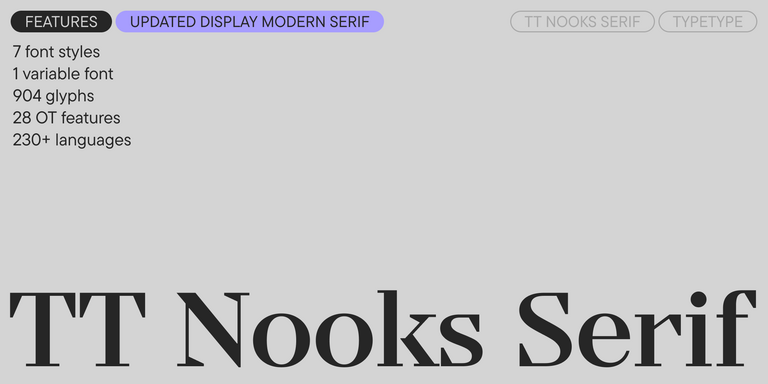
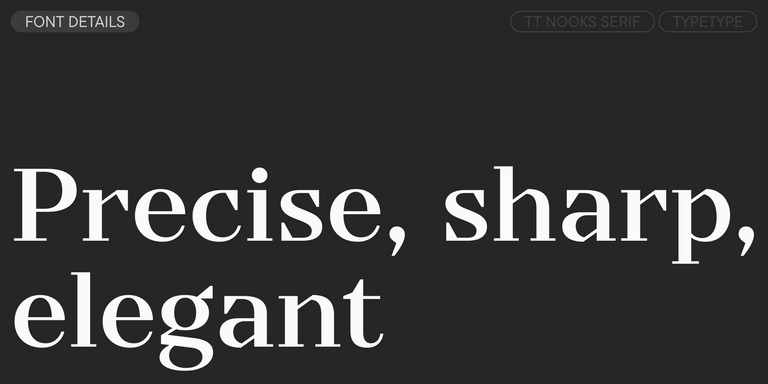
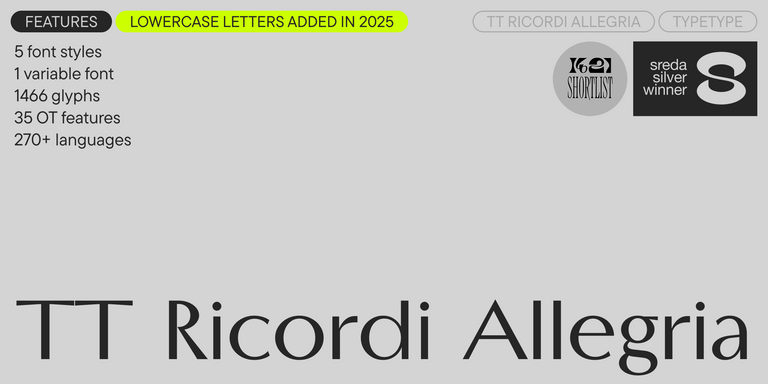
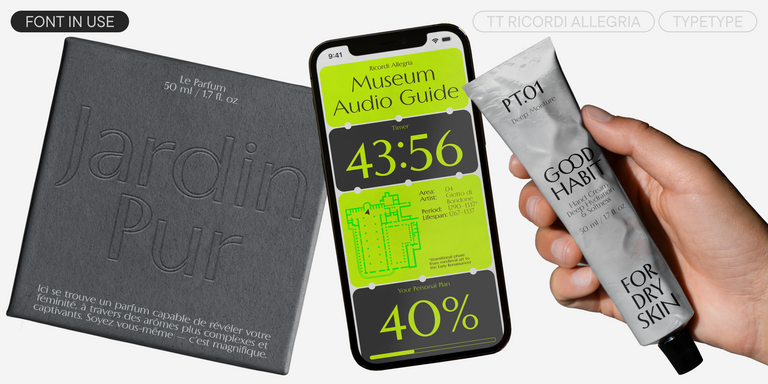
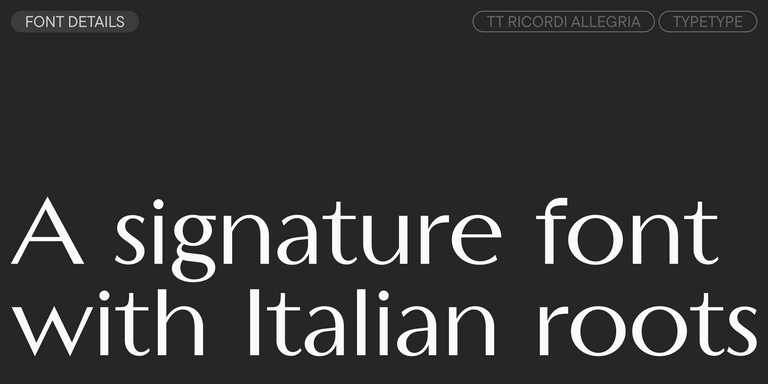
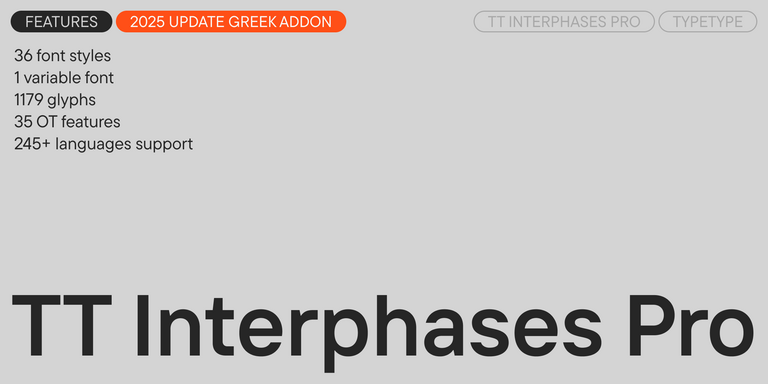
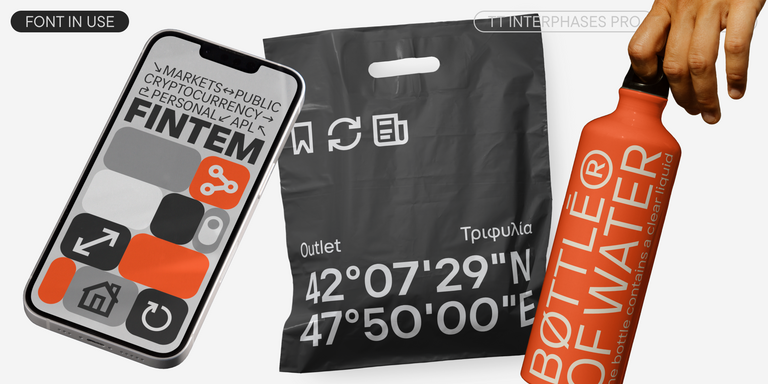
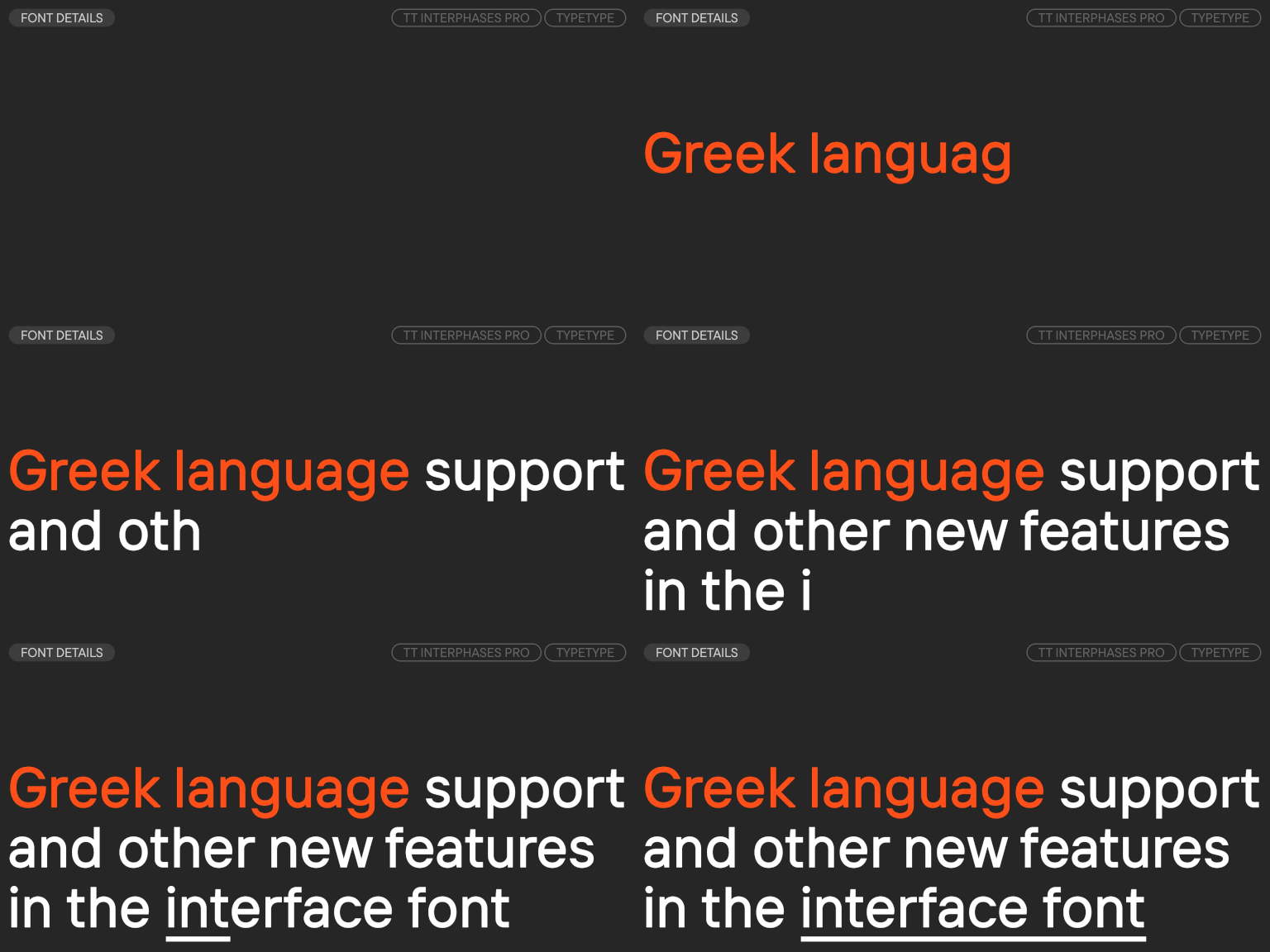
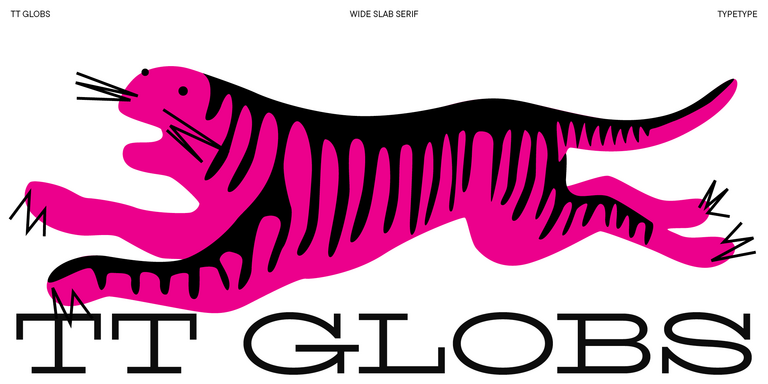
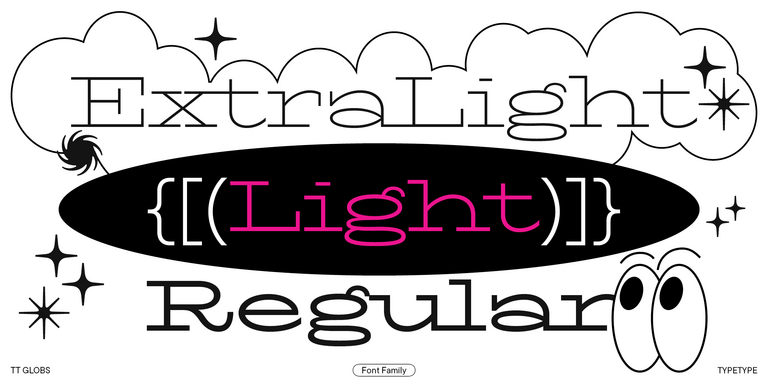
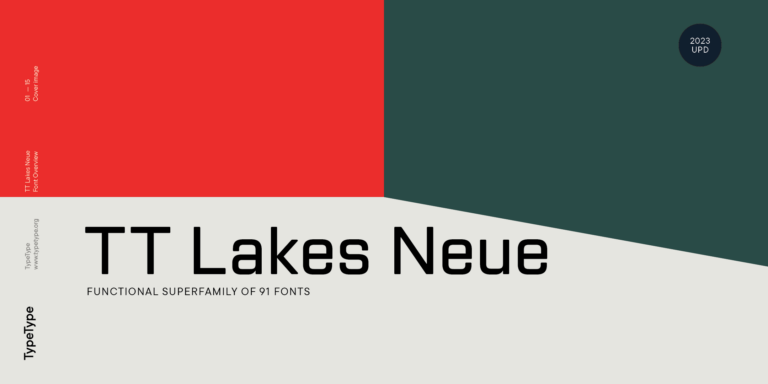
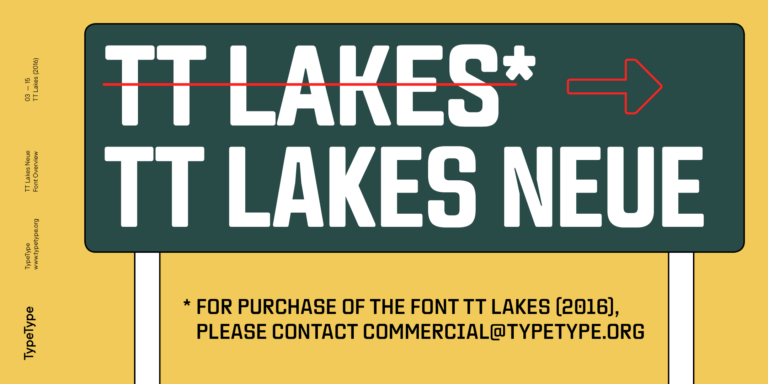
What unites this group is editorial selection rather than a shared technical format. TypeType has placed five families under the Composite tag: TT Nooks Serif, TT Ricordi Allegria, TT Interphases Pro, TT Globs and TT Lakes Neue. Beyond the word serif in the first name, the tag itself does not describe construction, proportions or character sets, so each family deserves individual attention. Its own page is the reliable source for available weights, glyph coverage and OpenType features. Treat the tag as a starting point that brings related options together, then judge every family by its specimens and technical details.
Where Composite Fonts Are Used
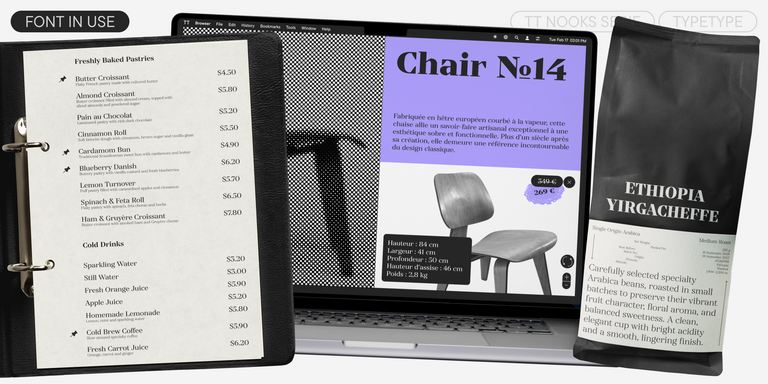
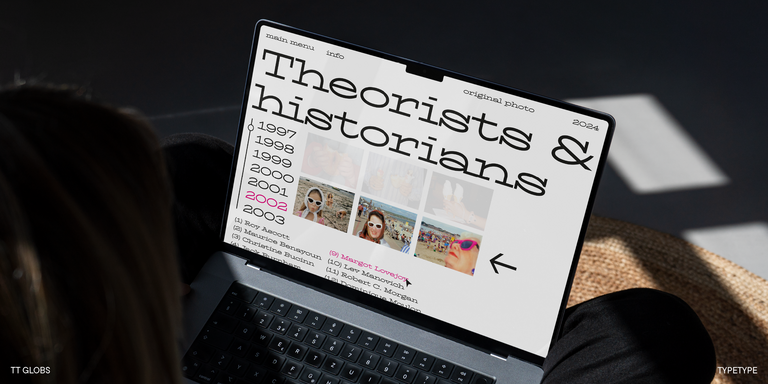
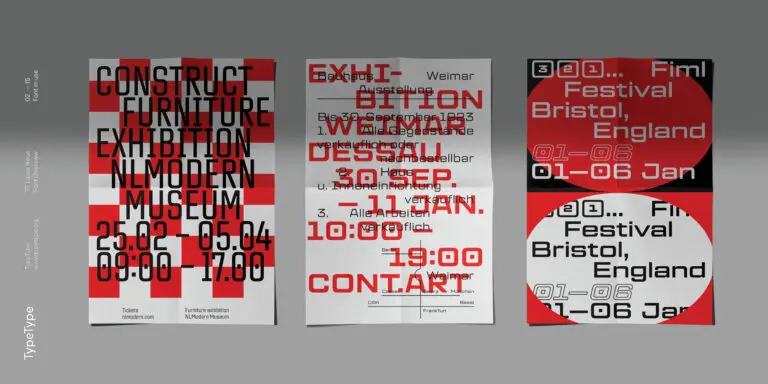
Because the tag groups families by selection rather than by a single purpose, application depends on the family you pick and on the range it provides. Typical contexts for retail typefaces include brand identities, where a typeface must stay recognizable across logos, signage and social media; editorial work, where long passages test rhythm and spacing; digital products, where interface text appears at small sizes on varied screens; and packaging, where names and product information compete for attention on limited surfaces. None of these roles is fixed to a particular member of the group. The practical approach is to test in context. Set real headlines, body copy and interface labels with trial versions, print proofs where print matters, and review the results on the devices your audience uses. Decisions grounded in actual layouts are more dependable than impressions formed from a single specimen line.
Explore TypeType's Composite Fonts Collection
Start with the five family pages linked from this collection and compare their specimens side by side. Look at the same sample text in each, ideally copy from your own project, so differences in texture, width and tone become visible rather than theoretical. Shortlist two or three candidates, then download trial versions to test them in your working files. Trials support evaluation, and once a family proves right, commercial use calls for a suitable license. TypeType lets you leave a request for the license type that matches your intended media, whether that is a website, an app, print materials or a broader brand rollout. If you are unsure which family suits the brief, or which license covers your scenario, TypeType's design and client care teams can advise. The contact form on the website is the direct route for questions about families, testing or licensing terms.