top_banner_ttneorispro0426
Fonderie Blog Special Characters and Punctuation Marks in Fonts: Guide to Typographical Symbols

Special Characters and Punctuation Marks in Fonts: Guide to Typographical Symbols

Special Characters

Special characters and punctuation marks are present in almost all fonts. These font symbols play an important role in the perception and readability of text, as well as serving auxiliary (and sometimes decorative) functions. For example, these symbols help organize and structure text, add additional meanings, and convey emotions.

In this article, we’ll examine the most popular and interesting symbols and characters.

Punctuation Marks

Punctuation marks are symbols that perform auxiliary functions in text. In particular, they are used to structure and divide text into meaningful segments, help set the tone, place emphasis, or express emotions. Among the most well-known punctuation marks are:

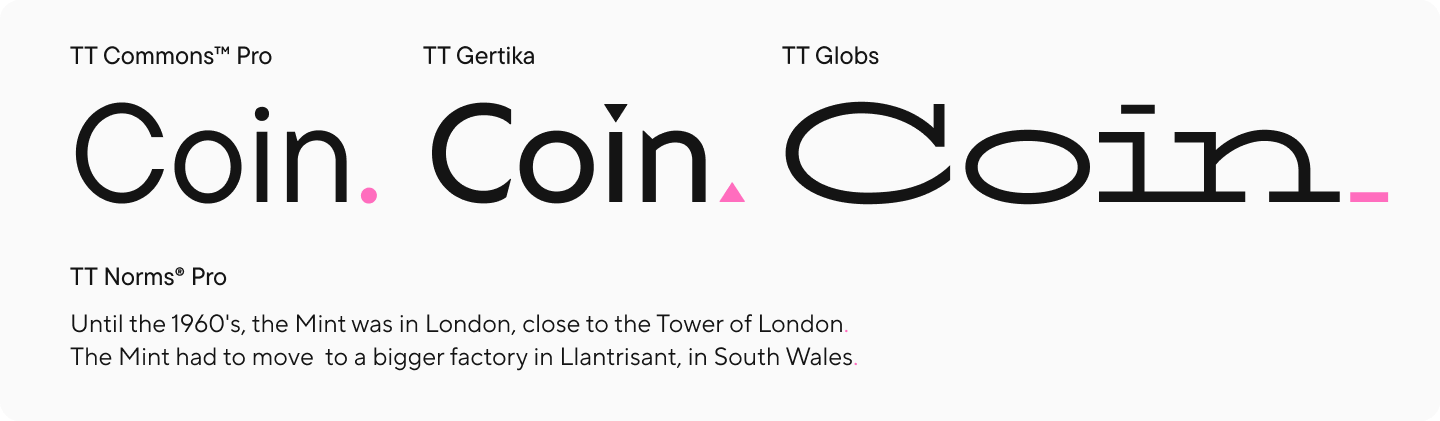
Period (.) is the simplest punctuation mark, which forms the basis of many other symbols. It is used to end sentences or abbreviate words.
Punctuation Marks

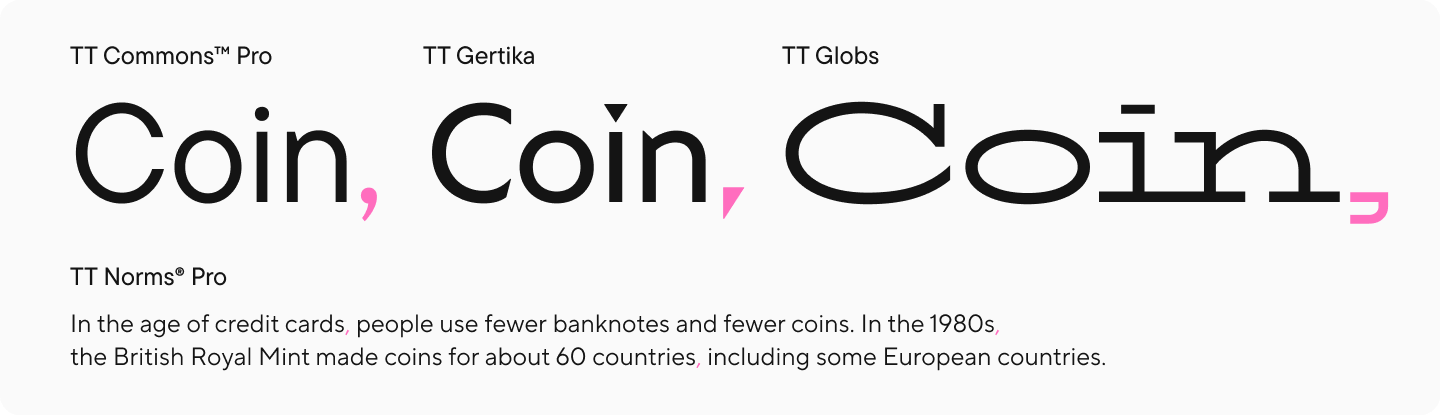
Comma (,) is used to separate and highlight parts of a sentence.
Comma

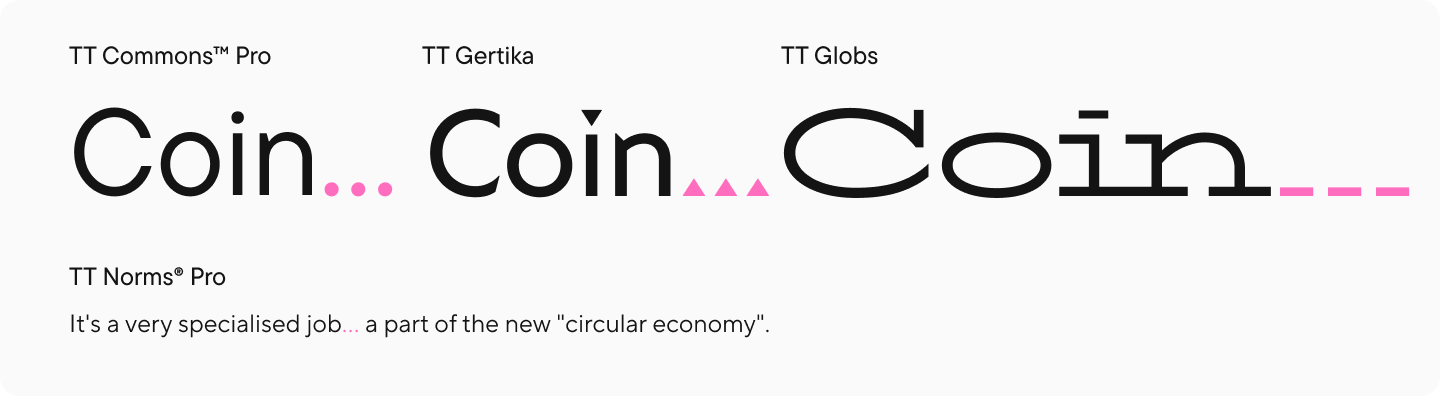
Ellipsis (…) is not just three periods, but an independent typographical mark. It is used to express implications, incompleteness, interrupted speech, to indicate a pause, or to omit a fragment of text.
Ellipsis

Exclamation mark (!) is used to express strong emotions, surprise, admiration, excitement, and so on.
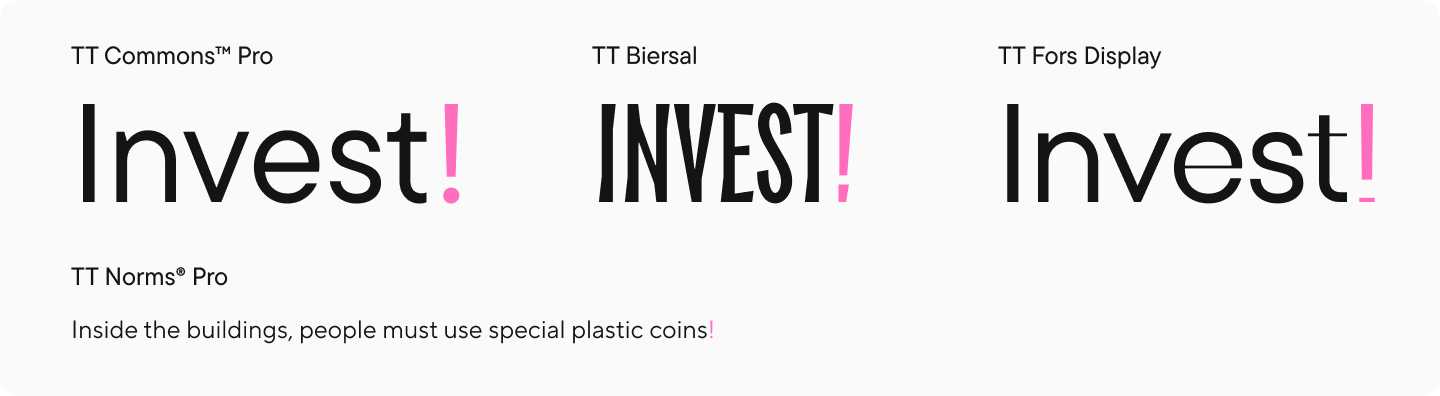
Exclamation mark

Question mark (?) serves to denote a question. It can be used as part of an ellipsis (?…) or in combination with an exclamation mark (?!). 
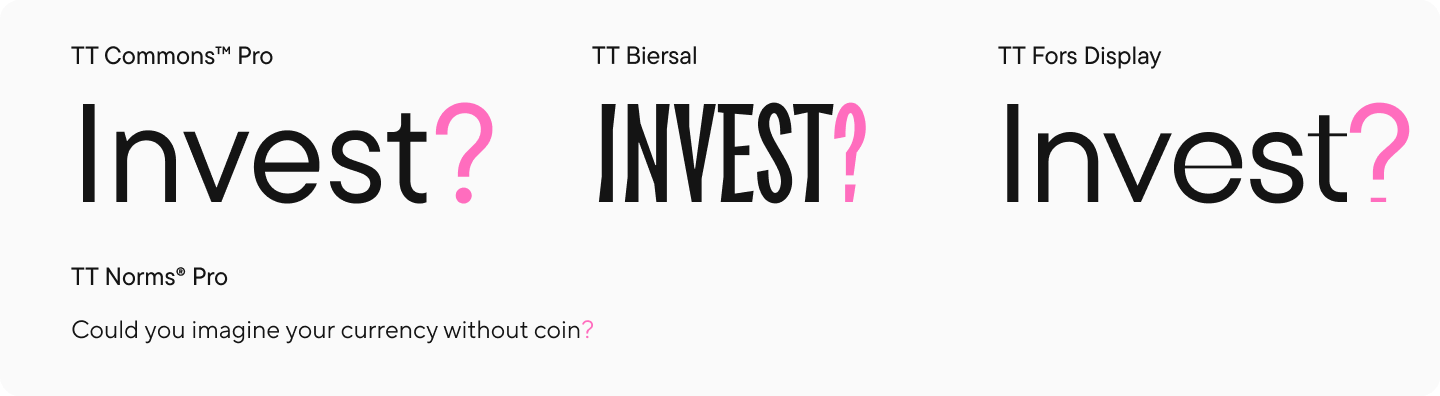
Question mark

Colon (:) serves to indicate causal, explanatory, and semantic connections between parts of a sentence. 
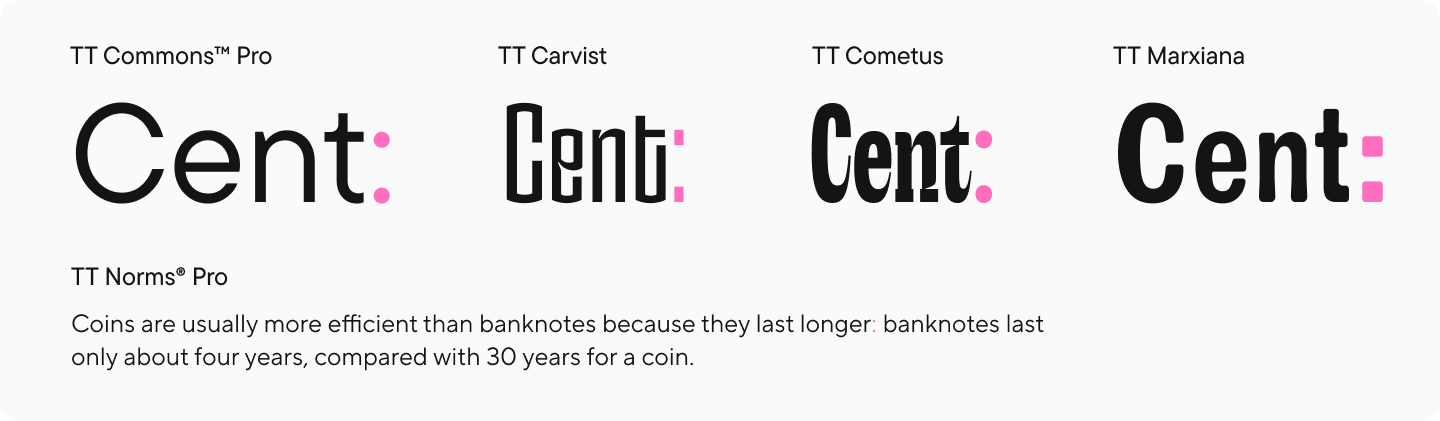
Colon

Semicolon (;) is a separating punctuation mark that divides parts within a sentence. 
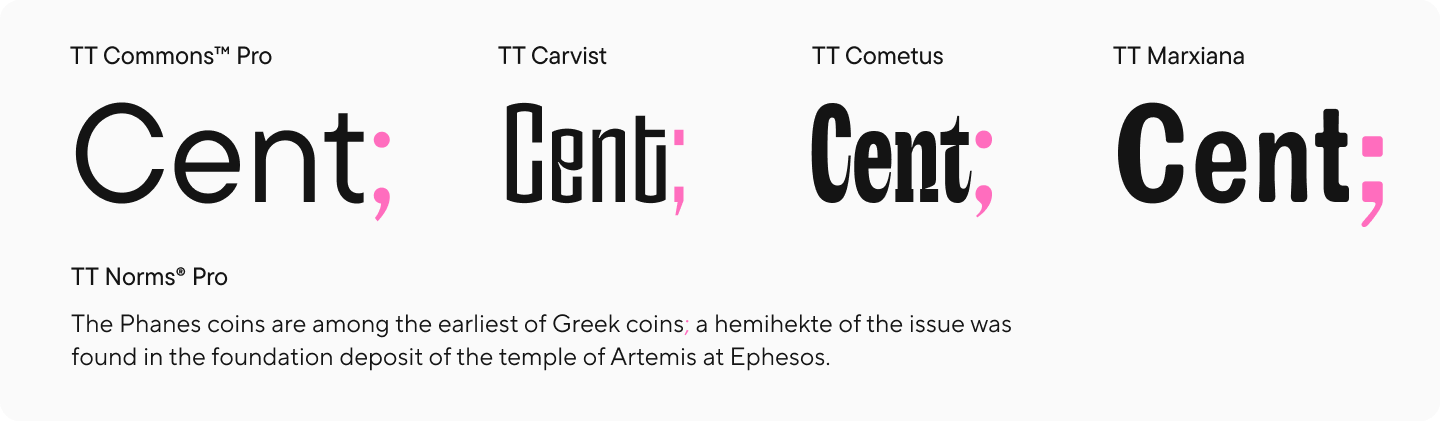
Semicolon

Dash (—) is used as compensation for omitted words or meanings not expressed lexically. It is often confused with a hyphen (-), which is not a punctuation mark because it is used within words.
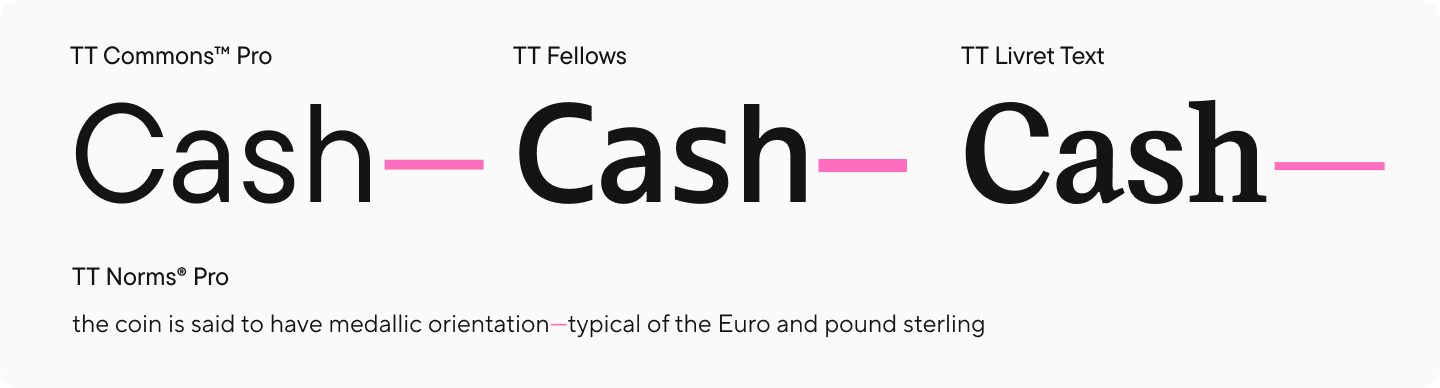
Dash

Quotation marks («  » or «») is a paired punctuation mark used to highlight quotes, direct speech, names, and words used figuratively.
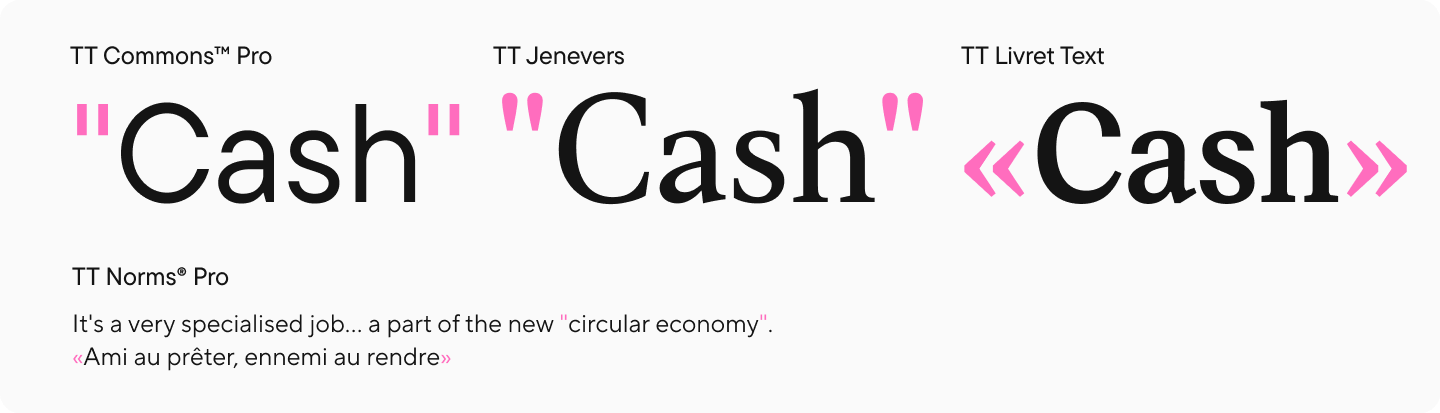
Quotation marks

Diacritical Symbols

Diacritical marks are special symbols used to modify or clarify the pronunciation of other characters. They can be superscript, subscript, or inline.

Examples of diacritical symbols:

Acute accent (´) indicates logical or intonational stress.

Diacritical Symbols

Grave accent (`) is used in various languages as an intonational stress. 

Grave accent

Circumflex (^) is used in several languages to change intonation in syllables and pronunciation of vowels.

Circumflex

Tilde (~) affects the pronunciation of certain sounds and is also used in dictionaries to denote (substitute) a word or part of a word when repeated.

Tilde

Daggers (Crosses)

A dagger, or typographical cross (†), is sometimes also called a „obelisk“ or „obelus“. This is a typographical mark that has been used in different countries and different periods of history to indicate the date of death, a questionable statement, a footnote, and other meanings.

Daggers (Crosses)

Asterisk and Obelisk (Ba-Dum-Tss!)

Asterisk (*) is a punctuation special character that is a small five- or six-pointed star-shaped symbol. Used to denote footnotes and notes. 

Obelisk (†) is the same as the dagger (see above). 
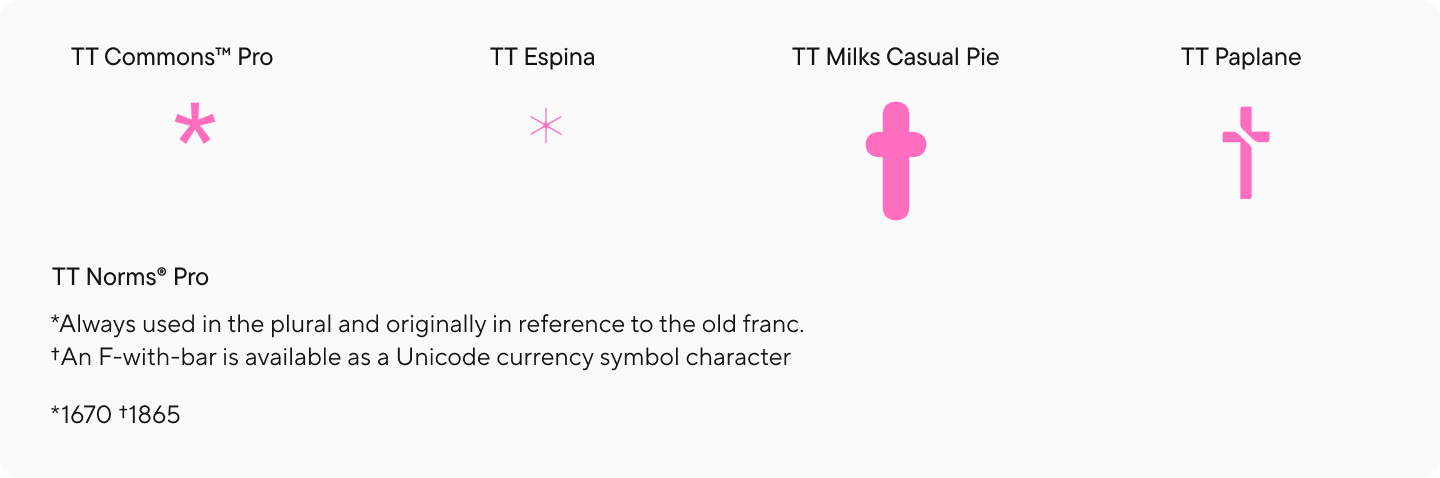
Asterisk and Obelisk (Ba-Dum-Tss!)

Interestingly, when placed beside years, the dagger was used to mark the date of death while the asterisk marked the date of birth.

The obelisk was also used as a second footnote after the asterisk.

Ampersand

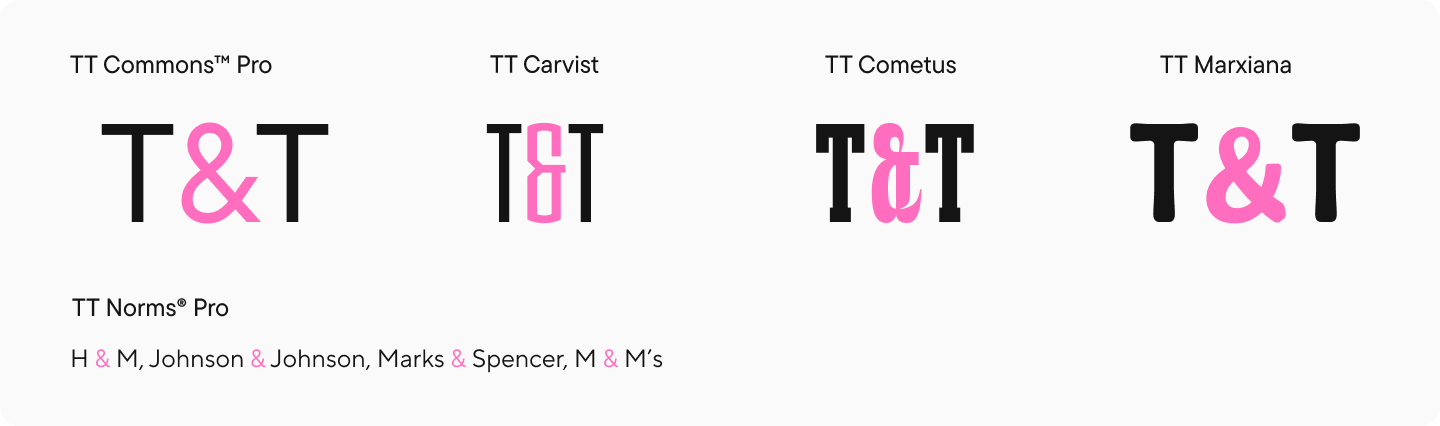
Ampersand (&) is a symbol (ligature) that is used to replace the conjunction „and“. Historically, the ampersand originated as a ligature of „et“, meaning it was formed from the Latin conjunction et („and“). Today, this symbol is often used in brand names.
Ampersand

Octothorpe (Hash)

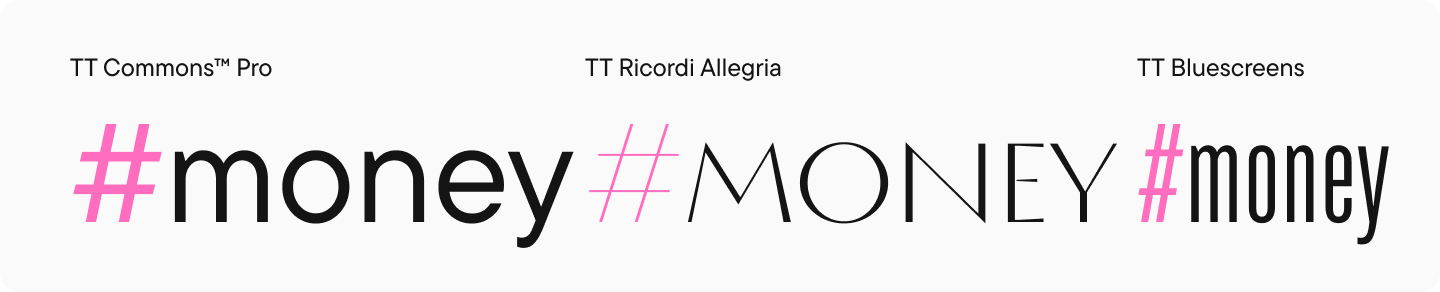
Octothorpe, or hash sign (#) is a symbol, also known as „hash“ or „hashtag“. The name „octothorpe“ comes from the Latin octothorpe („eight ends“).
Octothorpe (Hash)

Pilcrow and Section Sign

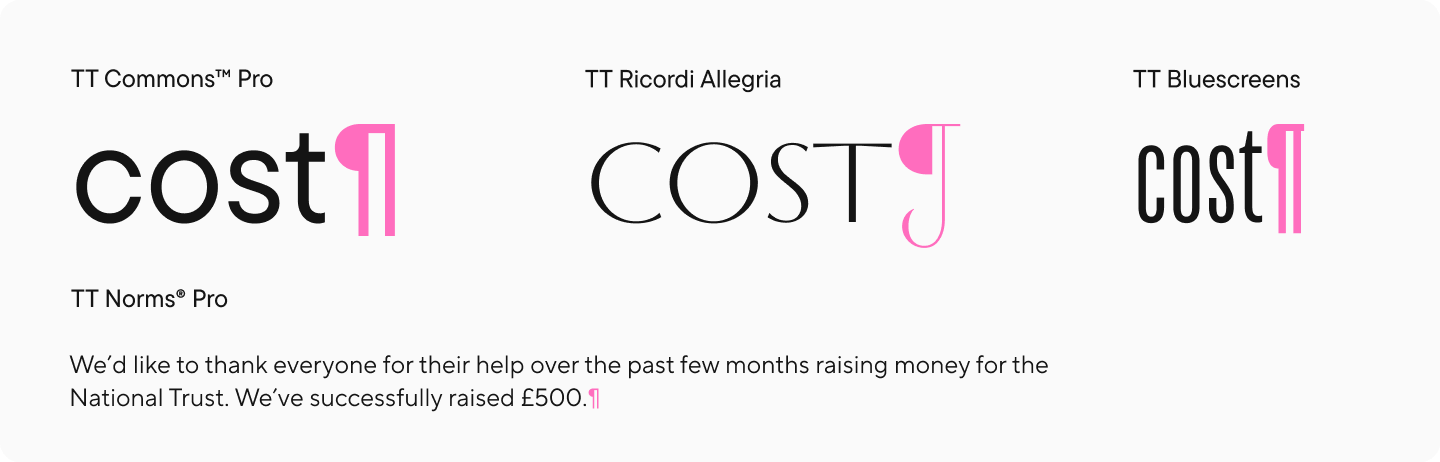
Pilcrow  (¶) is a symbol used to mark the end of a paragraph. This symbol presumably originated from the Latin letter C, more precisely—from the word capitulum, which in Latin means „chapter“. 
Pilcrow and Section Sign

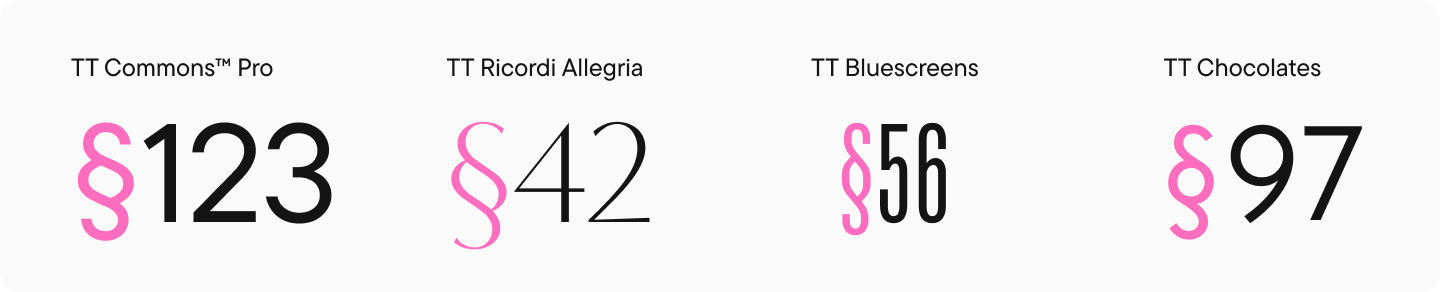
Section sign (§) is a typographical symbol used to denote sections in legal texts, textbooks, and documents. It is assumed that the symbol comes from the abbreviation of the German word satz („phrase, sentence“).
Section sign

Commercial Symbols

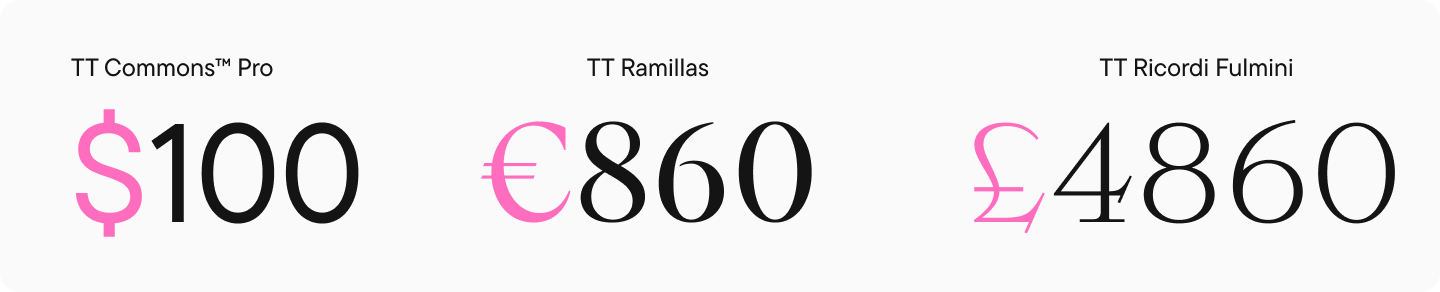
These are special characters that denote monetary units. A number of symbols with legal significance are also considered commercial. 

For example:

  • Dollar sign ($) 
  • Euro sign (€) 
  • Pound sterling sign (£)
Commercial Symbols

Copyright

The copyright symbol (©) belongs to commercial symbols. It is a special symbol used as a mark of copyright protection.
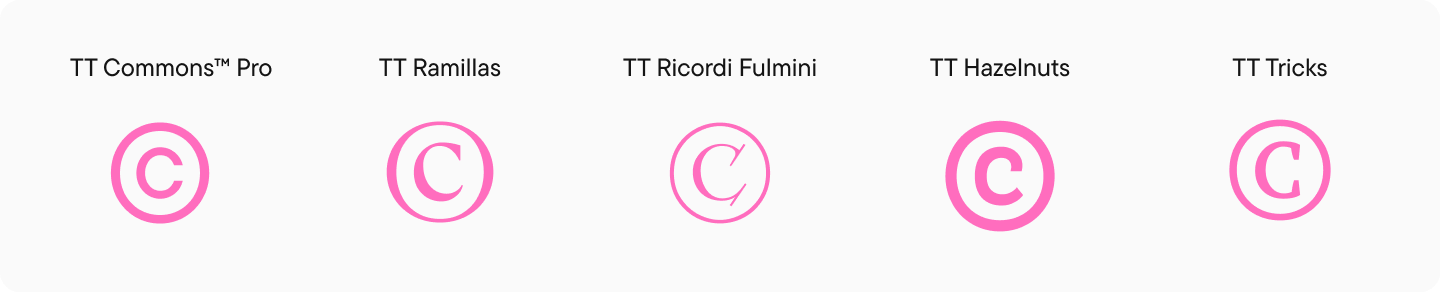
Copyright

Trademark, Registered Trademark

Trademark (™) or registered trademark (®) also belong to commercial symbols and indicate that the trademark is registered and protected by intellectual property rights. 
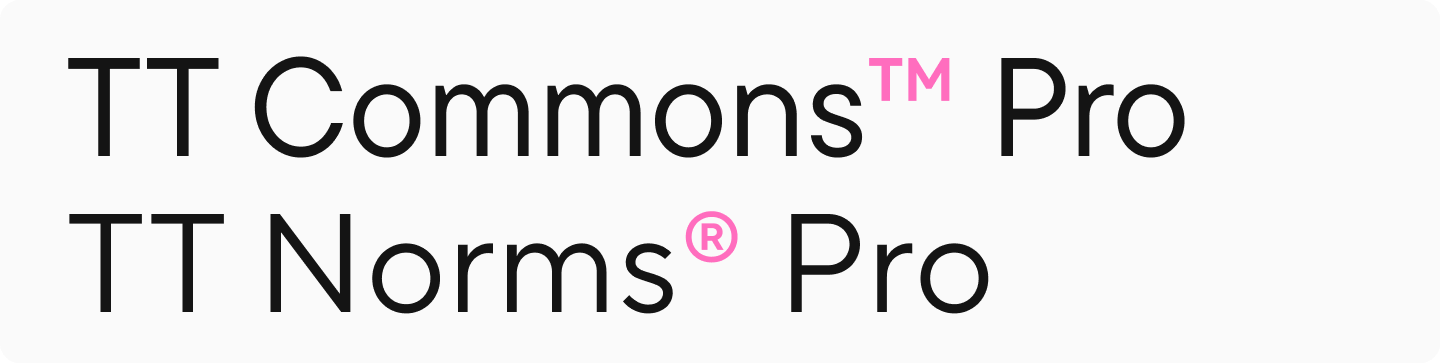
Trademark, Registered Trademark

„At“ Symbol

The „at symbol (@) is another name for the „commercial at“ sign. This is a typographical symbol that was originally used in payment documents. Today, it is used primarily in network services to separate a username (account) from a domain name.
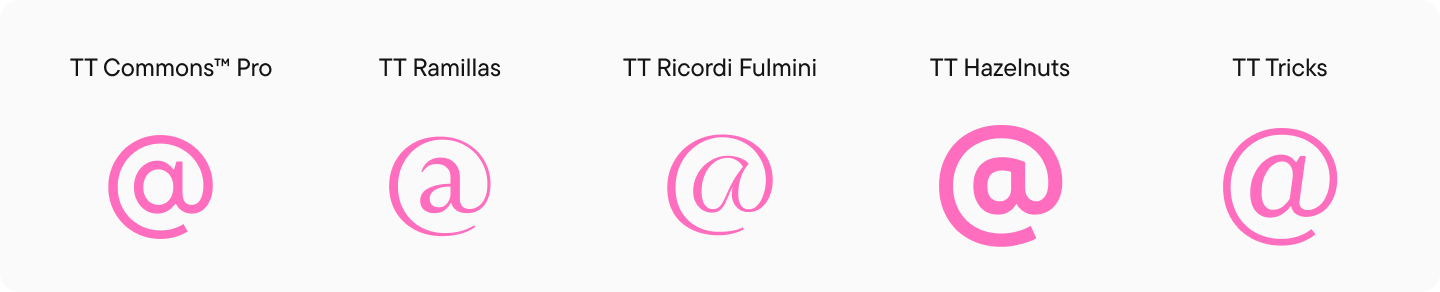
„At“ Symbol

Conclusion

In this article, we’ve covered the most common special symbols and characters, though this is just a small selection of what exists. It’s worth noting that different fonts may contain different character sets—depending on what the font designer chose to include in a particular typeface. Furthermore, these symbols can vary in appearance, as their design is influenced by the overall character and graphic style of the font.
Dernières publications

TypeType’s Year in Review: Looking Back at 2025

2025 was an incredibly productive year for TypeType: we released 7 new fonts, updated 14 typefaces, and added Arabic language support to two of our bestsellers. In addition, we won awards in type design competitions, explored new platforms, improved our website, wrote about type design in our blog, gave lectures, met with you at webinars, and created joint projects with friends and partners.

Voir plus
Typography in the Museum: How We Developed the Corporate Typeface for the Hermitage

The TypeType team, with the support of the Mantera Group, has created a new font family for the State Hermitage Museum—the Hermitage Type Family. The typeface will be used across all of the Hermitage’s digital content; you can already see it on the website and the updated launch page of the mobile version. And this is just the beginning of a major overhaul of the museum’s digital identity, in which the new font will play a pivotal role.

Voir plus
Proxima Nova Font: Alternatives, Pairings, and the Secrets of Its Popularity

Proxima Nova is one of the most recognizable sans-serif fonts in modern design. In this article, we’ll explore the history of the Proxima Nova font family, its graphic characteristics and composition, figure out what fonts go with Proxima Nova, what its best alternatives are, and what license you need to use it.

Voir plus
The Perfect Moment Is Now: Launching Our Creative Lab, TT Labs

We spent a lot of time thinking about how to find a place for creative freedom within this system, how to set aside time for small passion projects, how to step outside our usual boundaries, and how to give spontaneity a chance. And we realized that the perfect moment will never come unless you take the first step. So we took it—and that’s how the TT Labs creative laboratory was born. Here’s the story from the beginning!

Voir plus
What is Typography in Graphic Design: Key Concepts, Principles, and Examples

Discover what typography is, why it’s important in design, and how to apply its main principles, styles, and rules to create visually strong text.

Voir plus
A Font with a Wide Reach: A Special Project for SHIFTBRAIN’s 20th Anniversary

In 2023, the Japanese marketing agency SHIFTBRAIN launched an interactive website dedicated to the company’s 20th anniversary. For this project, the TypeType team developed a unique variable font capable of stretching to extreme horizontal widths. As a foundation, we used the bestseller TT Norms® Pro, which was already the company’s corporate typeface—you can see it on the main SHIFTBRAIN website.

Voir plus
Pangrams Explained: Meaning, Types, Usage and Complete List of Examples

If you’re interested in design, you’ve almost certainly come across the famous sentence about the quick brown fox and the lazy dog. Or perhaps one about a jived fox nymph and a quick waltz. These are pangrams—sentences that contain all the letters of the alphabet. In this article, we’ll provide a more detailed pangram definition, explain why these phrases are so important, and provide a list of the most popular pangrams in English.

Voir plus
Bold Fonts: How to Use Them in Design

Font weight is a crucial characteristic that directly impacts the perception of an entire design. In this article, we’ll explore where and how to apply bold fonts, the different types that exist, and look at some examples of such fonts from the TypeType collection.

Voir plus
Web Font Optimization: The Key to Instant Website Loading Speed

Since fonts are a vital part of web design, proper font optimization plays a key role in ensuring your website is fast and efficient. Let’s explore why web font optimization is so crucial and what steps you can take to ensure your fonts load faster.

Voir plus

Voir plus

Numbers and numerals in typography: basic types

While we often discuss letters in our articles, numbers in typography typically receive less attention. However, this topic is fascinating and more complex than it might appear at first glance. That’s why we’ve dedicated this article entirely to numerals! In this article, you’ll learn about different types of numerals, their purposes, the unique characteristics of each style, and where to find them in fonts.

Voir plus
20 Best Cyrillic Fonts of 2026

Finding high-quality and original Cyrillic fonts can be challenging, as the market primarily offers typefaces with Latin support. However, at our studio, we emphasize broad language support—particularly in our typefaces that support numerous Cyrillic-based languages. In this article, we’ve compiled a selection of functional and modern fonts with Cyrillic support from TypeType’s collection, suitable for various projects.

Voir plus
Measuring 2024 in Fonts: TypeType’s Year in Review

2024 has been an incredibly productive and significant year for TypeType. We released new fonts and updated existing ones, received awards, made our website more user-friendly, and shared knowledge about font design. In short, this year brought us numerous changes, and now it’s time to look back, reflect on our achievements, and outline plans for the future.

Voir plus
How to Name a Font? Learning from Real Examples

We often get asked how typeface designers come up with names for their fonts. It’s not as straightforward as it might seem, as each studio and individual designer has their unique approach. In this article, we’ll explore different aspects of font naming—from creative considerations to legal implications.

Voir plus
Retalic or Reversed Italic: Understanding Left-Leaning Type Design

Many of our readers are undoubtedly familiar with the term “italic” as we frequently discuss these slanted and cursive fonts in our articles. However, the term “retalic” might be unfamiliar even to those well-versed in typography. Let’s explore this unique font style and its applications in modern design.

Voir plus
Best Ebook Fonts

Choosing the right font for an ebook might seem like a simple task at first glance, but it actually requires a careful approach and consideration of several nuances. After all, digital media differs significantly from print. What exactly should you pay attention to? And how do you select the best font for reading ebooks? We’ll explain it all in this article!

Voir plus
Best Cursive Fonts in 2026: A Comprehensive Design Guide

Cursive fonts are a powerful design tool that can elevate your visual projects when used thoughtfully. However, the key is knowing how to apply them effectively and appropriately. In this comprehensive guide, we’ll dive into the world of cursive fonts. You’ll learn what defines a cursive font, how it differs from traditional italic styles, and discover the most strategic ways to incorporate these unique typefaces into your design work.

Voir plus
How to Choose the Best Infographic Fonts: Comprehensive Guide

Infographics is a versatile and convenient tool that finds application everywhere: business, advertising, science, journalism, and more. This is a powerful way to communicate information in a simple, visual manner. Why is it so essential to choose the right font for your infographic, and how to do this? How do you pair fonts with each other? What fonts work best for marketplace infographics? Read on to find out!

Voir plus
On Opposite Sides: Wide and Narrow Fonts

Wide and narrow fonts are among the newest trends in typography, graphic design, and web design. At first glance, some may seem odd and awkward, but when thoughtfully applied, they can infuse a project with freshness, boldness, relevance, and strength. What are narrow and wide fonts, what variations do they come in, and where are they used? Let’s explore this together in this article.

Voir plus